Seasonal Care Tips for Therapy Dogs
From summer heat to winter ice, each season brings unique challenges for working therapy dogs. Here's how our handlers keep their partners healthy, comfortable, and ready to read year-round.
# Seasonal Care Tips for Therapy Dogs
Working therapy dogs aren't typical pets. They maintain busy schedules, encounter diverse environments, and must present as clean, healthy, and comfortable representatives of their programs. This means seasonal care isn't optional—it's essential for the well-being of the dogs and the children who depend on them.
At Paws & Pages, our eighteen therapy dogs represent diverse breeds with different coat types, sizes, and vulnerabilities. What works for Daisy, our fluffy Samoyed built for Arctic conditions, differs dramatically from what works for Bella, our small Cavalier King Charles Spaniel with her single-layer coat. Over years of adapting to seasonal challenges, our handlers have developed comprehensive care protocols that keep our dogs healthy, comfortable, and ready to read regardless of what the weather brings.
Spring: Renewal and Vigilance
Spring brings relief from winter's cold but introduces new challenges: allergens, parasites, and mud. For therapy dogs who spend time in libraries, schools, and public spaces, spring requires heightened attention to cleanliness and health.
Allergy Season Affects Dogs Too
Many therapy dogs—like many humans—suffer from seasonal allergies. Pollen, mold, and grass can trigger reactions ranging from mild itching to significant discomfort. A dog who is constantly scratching or licking their paws cannot provide the calm, focused presence that therapy work requires.
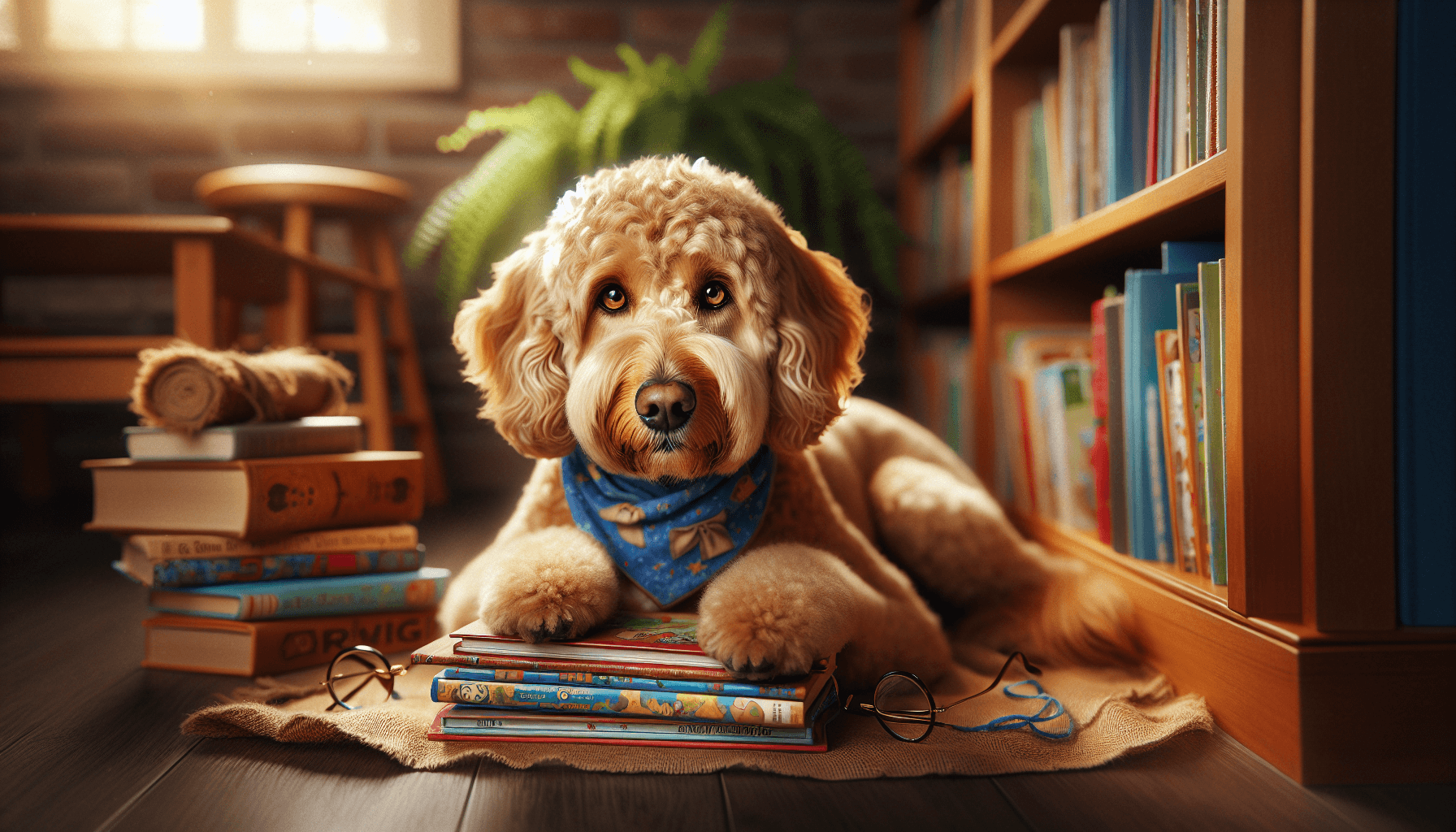
Honey, our apricot Goldendoodle, struggles with spring allergies that manifest as itchy skin and watery eyes. Handler William Santos has developed a prevention protocol: "We start allergy medication before symptoms appear, usually in early March. We wipe Honey's paws and belly after any outdoor time to remove pollen. And I've learned which parks and routes are worst for her—we avoid those during peak pollen season."
Biscuit, our founding Golden Retriever, also experiences spring allergies but with different symptoms—primarily excessive paw licking. Handler Dr. Emily Chen keeps Biscuit's feet clean and monitors for the hot spots that can develop from obsessive licking: "If I notice Biscuit licking more than usual, I know to increase her paw washes and check between her toes. Catching irritation early prevents the wound cycle that can sideline a therapy dog for weeks."
Flea and Tick Season Begins
Spring marks the resurgence of fleas and ticks, and therapy dogs face elevated exposure. They visit multiple locations, encounter many people who may have pets, and often work in environments where infestations can spread quickly.
Our program requires year-round flea and tick prevention, but spring is when we increase vigilance. Handlers perform tick checks after every session, running hands through fur to feel for the small bumps that indicate attached parasites. Any dog showing evidence of fleas—scratching, flea dirt, visible insects—is temporarily removed from service until treatment is complete.
Max, our German Shepherd, is particularly susceptible to tick attachment due to his thick double coat. Handler David Chen has learned to check specific areas: "Max's ears, armpits, and the base of his tail are tick magnets. I check these spots after every outdoor session. In spring, I also run a fine-tooth comb through his ruff—ticks can hide in that dense fur."
Mud Management
Spring rain plus melting snow equals mud, and mud creates problems for therapy dogs who need to present as clean and professional. Children want to cuddle dogs, not get muddy—and facility managers have legitimate concerns about cleanliness.
Our handlers have developed mud protocols:
- **Pre-session paw washes** remove any mud picked up during transport - **Designated clean towels** travel to every session for quick touch-ups - **Paw covers** protect feet during particularly muddy periods - **Strategic parking** minimizes distance dogs must walk through wet areas
Lucy, our spirited Corgi with her low-to-the-ground build, is particularly vulnerable to mud accumulation. Handler Amanda Roberts keeps a "Lucy cleanup kit" in her car: towels, a spray bottle with water, grooming wipes, and a small brush. "By the time we walk from the car to the library, Lucy can look like she rolled in a puddle. I factor in ten extra minutes for spring sessions—five for mud management, five for her to settle after being cleaned."
Summer: Heat Management and Schedule Adaptation
Summer brings longer days perfect for reading programs but also dangerous heat. Dogs cannot regulate their body temperature as efficiently as humans, making heat-related illness a serious concern for working therapy dogs.
Never Leave a Dog in a Hot Car
This rule is non-negotiable and bears emphasis: even on moderately warm days, car interiors can reach lethal temperatures within minutes. Every Paws & Pages handler commits to never leaving their dog in a parked vehicle during warm weather, regardless of how quick the errand.
This commitment affects logistics. Handlers traveling to multiple sessions coordinate schedules carefully, bring dogs inside whenever possible, or arrange for a second person to remain with the dog during necessary stops.
Schedule Strategically
During summer months, we shift session timing to cooler parts of the day. Early morning and late afternoon sessions replace midday scheduling. For outdoor reading events—increasingly popular in summer—we require shade structures and water availability as conditions for participation.
Apollo, our majestic Great Dane, is particularly heat-sensitive despite his short coat. Handler Michael Torres limits Apollo's summer sessions: "We only schedule Apollo before 10 AM or after 4 PM in summer. His size means he generates more heat, and he doesn't have the coat to protect him from sun exposure. If a library doesn't have good AC, we skip that venue entirely in July and August."
Water, Water Everywhere
Handlers carry water for their dogs to every summer session—not optional, not sometimes, always. We recommend bringing twice what you expect to need, because sessions may run long, temperatures may spike, and sharing water with the facility isn't always possible or appropriate.
Captain, our enthusiastic yellow Lab, drinks more water than any other dog in our program. Handler Marcus Thompson brings a full gallon to every summer session: "Captain's energy level doesn't adjust for temperature. He's still excited to see kids, still wagging hard, still engaging fully. That burns through water fast. I've learned to bring more than seems reasonable because Captain's thirst is never reasonable."
Recognize Overheating Signs
Every handler learns to recognize heat stress symptoms: excessive panting, drooling, lethargy, coordination problems, vomiting. Any sign of overheating means immediately ending the session, moving to a cool area, offering water, and cooling the dog with wet towels—focusing on paw pads, belly, and ears where blood vessels are closer to the skin.
Koda, our Bernese Mountain Dog with his thick double coat, is our most heat-vulnerable team member. Handler Steven Park approaches summer with Koda cautiously: "We've had to cut sessions short twice when Koda started panting too hard despite AC and water. I'd rather disappoint kids by leaving early than risk Koda's health. He's back to full energy the next day because we caught it early."
Coat Considerations
Summer grooming varies by breed and coat type. Some dogs benefit from shorter summer cuts; others have double coats that actually provide insulation and should not be shaved.
Daisy, our Samoyed, exemplifies this principle. Her thick white double coat looks impossibly hot but actually protects her from heat as well as cold. Handler Jennifer Kim never shaves Daisy: "People suggest it constantly—'Wouldn't she be cooler without all that fur?' But Samoyeds are designed for temperature extremes. Her coat reflects sunlight and creates insulating airspace. Shaving would expose her to more heat, not less."
Charlie, our Beagle, takes the opposite approach. Handler Diane Martinez keeps Charlie's coat shorter in summer: "He's a single-coat breed, so there's no insulation benefit to keeping fur long. Shorter coat means quicker drying after water exposure and easier heat dissipation."
Fall: Transition and Preparation
Fall brings relief from summer heat but requires preparation for the busy reading season ahead. School returns, reading program demand increases, and therapy dogs need to be ready for elevated session frequency.
Prepare for Increased Demand
September through November sees our highest session volume as schools resume, libraries launch fall programming, and families return to routines. Dogs who have enjoyed slower summer schedules must ramp up to more frequent work without becoming overtaxed.
Handlers gradually increase session frequency through September rather than jumping immediately to full schedules. We monitor each dog for signs of fatigue or stress that indicate they need more recovery time.
Tucker, our Australian Shepherd, has high energy that masks fatigue until it becomes serious. Handler Sandra Lee learned to watch for subtle signs: "Tucker doesn't act tired even when he is. But I've learned to notice when his engagement is a split second slower, when his response to commands is slightly delayed. That tells me he needs a lighter week, even if he seems fine."
Seasonal Allergy Round Two
Fall brings a second wave of allergens—ragweed, mold from fallen leaves, grass pollen making a comeback. Dogs who struggled in spring may struggle again, and dogs who were fine in spring may react to fall-specific allergens.
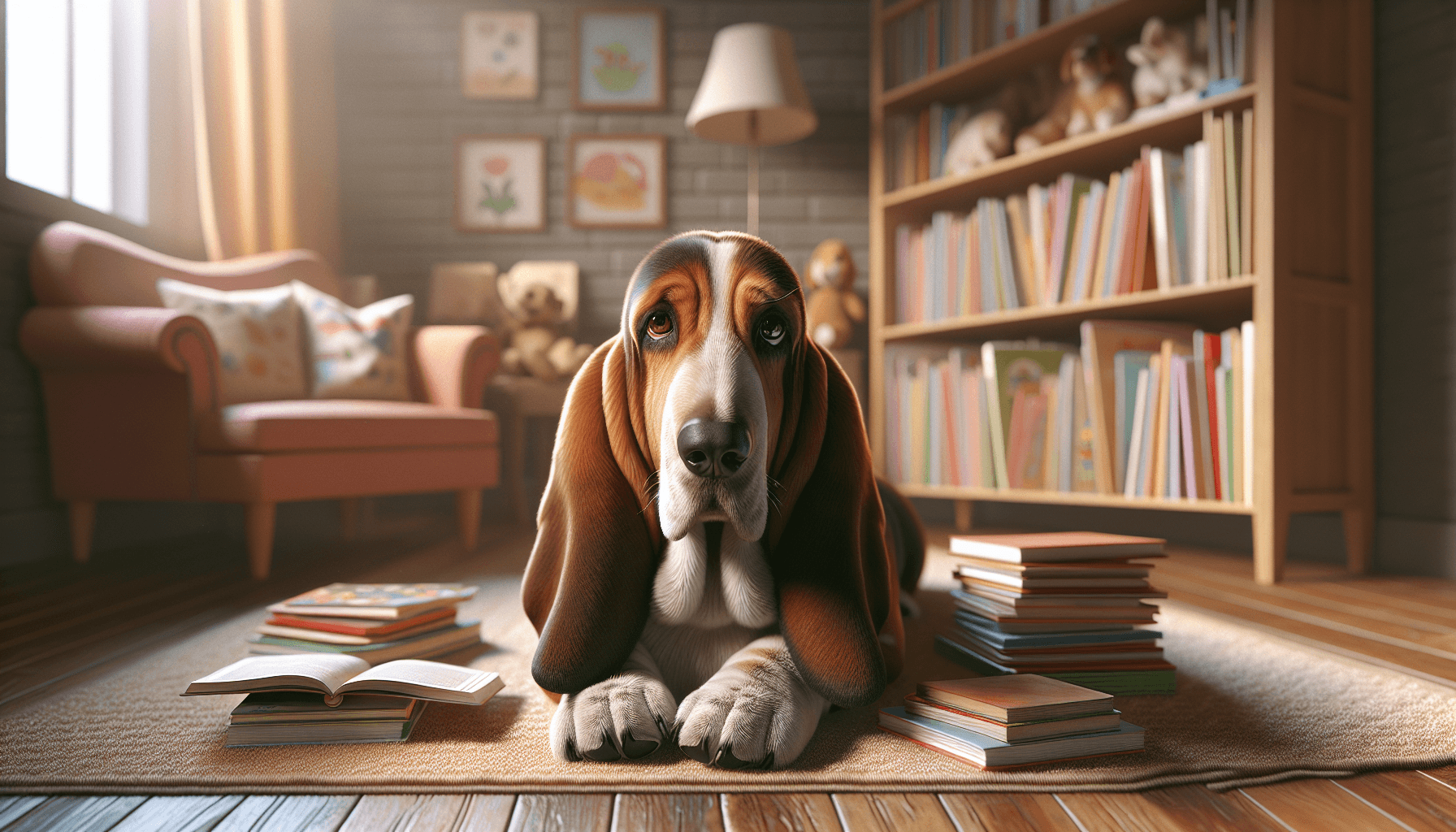
Olive, our Basset Hound, has fall-specific allergies that don't appear in spring. Handler Rachel Green discovered this pattern after Olive's first fall of therapy work: "She was perfect through spring and summer, then September hit and she started scratching constantly. Her vet identified ragweed sensitivity. Now we start her on antihistamines in mid-August before symptoms can develop."
Coat Transition Care
Many dogs blow their coat in fall, shedding summer fur to make room for winter growth. This natural process can create excessive loose fur that isn't ideal for reading sessions where children want to cuddle close.
Increased brushing during fall shedding season removes loose fur before it can transfer to clothes and furniture. Some handlers increase professional grooming frequency during transition periods.
Ginger, our Shiba Inu, sheds dramatically twice a year. Handler Patricia Moore describes the phenomenon: "We call it 'blowing coat,' and with Ginger it's more like an explosion. For about two weeks in spring and two in fall, she produces astonishing amounts of loose fur. I brush her daily during those periods—sometimes twice daily—to keep her presentable for sessions."
Prepare for Holiday Stress
Late fall brings holidays that affect both dogs and the children they serve. Therapy dogs may encounter children processing family stress, seasonal changes, or holiday-related anxiety. Handlers prepare by ensuring dogs are well-rested, maintaining consistent routines, and staying alert to children's elevated emotional needs.
Winter: Cold Weather Challenges
Winter presents obvious challenges—cold, ice, dry indoor heat—but also opportunities. Cozy reading sessions gain special appeal when it's frigid outside, and many children associate winter with indoor activities like reading.
Protect Paws from Salt and Ice
Winter sidewalks treated with salt and de-icing chemicals can damage dog paw pads, causing dryness, cracking, and chemical burns. Therapy dogs walking from parking areas to facilities encounter these hazards regularly.
Our handlers use multiple strategies:
- **Paw wax or balm** applied before outdoor exposure creates a protective barrier - **Paw wipes** remove salt and chemicals immediately after outdoor time - **Booties** provide complete protection for dogs who tolerate them - **Strategic route planning** minimizes exposure to treated surfaces
Pepper, our rescued Dalmatian, is particularly sensitive to salt exposure. Handler Robert Martinez learned this the hard way: "Pepper's pads cracked badly our first winter of therapy work. Now I apply mushers' wax before every winter session, wipe his paws immediately after any outdoor time, and check between his toes for salt accumulation. We haven't had problems since."
Maintain Exercise Despite Cold
Therapy dogs need regular exercise to maintain the calm energy that makes them effective, but winter weather can limit outdoor activity. Handlers must get creative to keep their dogs physically and mentally stimulated.
Indoor play, puzzle feeders, training sessions, and brief outdoor excursions during warmer daylight hours help maintain fitness without dangerous cold exposure. Some handlers use indoor dog facilities for off-leash play during winter months.
Finn, our Irish Setter, has high exercise needs that winter challenges significantly. Handler Lisa Hernandez developed a winter routine: "Finn needs to run, and that's hard when everything's frozen. We do early morning outings when the cold is freshest but there's daylight. I found an indoor dog park about twenty minutes away that we visit weekly in winter. And I use lots of puzzle toys to tire his brain when his body can't run enough."
Combat Dry Skin
Heated indoor environments have low humidity that can dry out dog skin, leading to itching, flaking, and discomfort. For dogs who spend significant time in heated buildings for therapy sessions, winter skin care requires attention.
Omega fatty acid supplements support skin health from the inside. External moisturizing treatments—paw balm, nose balm, coat conditioner—address specific dry areas. Some handlers run humidifiers at home to reduce drying effects.
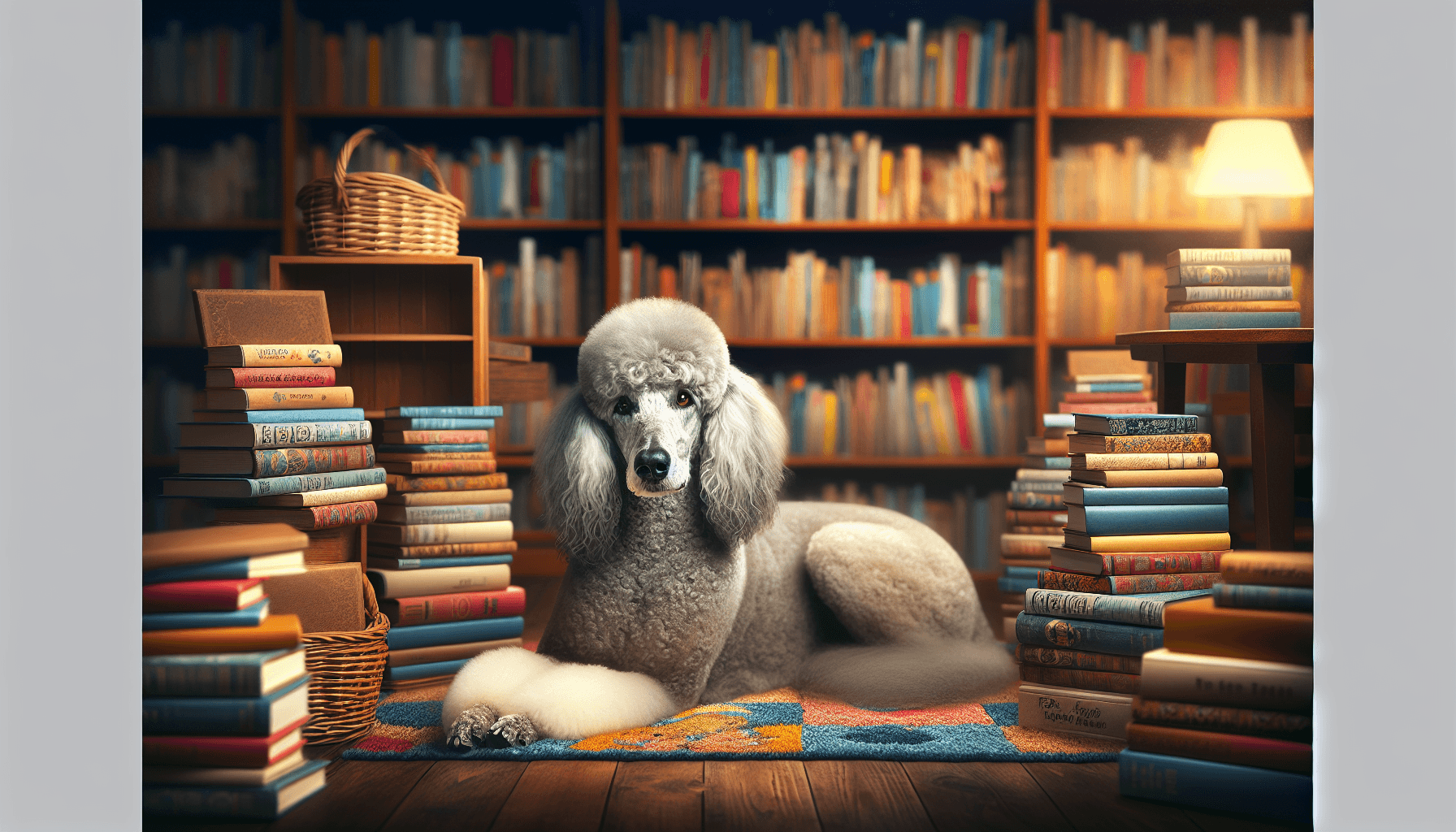
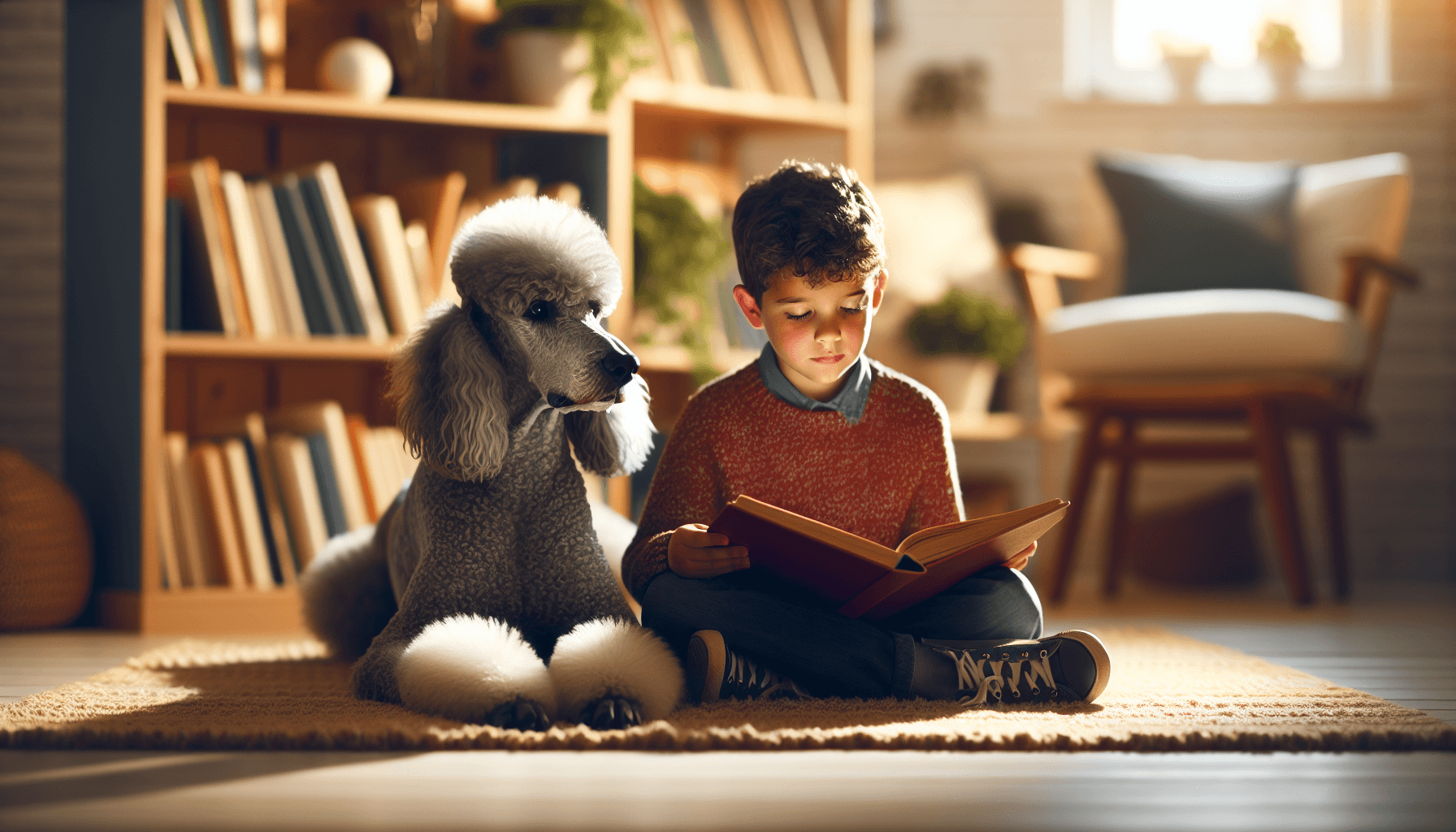
Jasper, our elegant silver Standard Poodle, has a coat that shows dryness clearly. Handler Karen O'Brien increases his grooming products in winter: "Poodles have single coats that don't protect skin the way double coats do. In winter, I add a conditioning spray after every session and increase his fish oil supplement. His coat stays glossy and his skin stays comfortable."
Dress for Success
Short-coated and small dogs may benefit from sweaters or coats for outdoor winter exposure. This isn't about fashion—it's about maintaining body temperature during walks from cars to facilities.
Bella, our Cavalier King Charles Spaniel, wears a winter coat without question. Handler Thomas Park explains: "She's small, she has a single coat, and she gets cold fast. Her fleece-lined jacket isn't optional in winter—it's part of her therapy equipment. Without it, she'd be shivering by the time we walked from parking to the library door, and a shivering dog can't provide calm comfort."
Larger, double-coated breeds generally don't need clothing. In fact, adding layers to well-insulated dogs can cause overheating.
Adjust for Shorter Days
Winter's reduced daylight affects dog energy levels and mood, just as it affects humans. Some dogs become lethargic or less enthusiastic as days shorten. Handlers monitor for seasonal changes and adjust expectations accordingly.
Luna, our Border Collie mix, shows subtle winter changes. Handler Marcus Thompson noticed the pattern over several years: "Luna is slightly less bouncy December through February. Her engagement is still excellent, but she's calmer, almost more contemplative. I don't schedule her for marathon session days in deep winter because she seems to need more rest."
Year-Round Essentials
Beyond seasonal considerations, some care elements remain constant regardless of weather:
Regular Veterinary Care
Therapy dogs need more frequent health monitoring than typical pets. We recommend check-ups at least twice yearly, with additional visits for any concerns. Working dogs encounter more people, more environments, and more stress than pets who stay primarily at home.
Grooming Standards
Therapy dogs should always appear clean and well-groomed. This isn't vanity—it's about professionalism and hygiene. Children and their families trust that dogs visiting schools and libraries meet high standards. Regular bathing, brushing, nail trimming, and ear cleaning maintain that trust.
Rest and Recovery
Even the most enthusiastic therapy dog needs downtime. Handlers must balance session schedules with adequate rest, ensuring dogs never work so much that effectiveness declines. A tired dog cannot provide optimal support, and pushing dogs past their limits risks burnout.
Handler Wellness
Finally, therapy dog care includes handler care. Handlers who are stressed, exhausted, or unwell cannot provide their dogs with the attention and support excellent therapy work requires. Taking care of ourselves is part of taking care of our partners.
The Reward of Year-Round Care
Comprehensive seasonal care requires effort, attention, and sometimes expense. But the reward is clear: healthy, comfortable therapy dogs who can serve children effectively regardless of what the calendar brings.
When Biscuit lies calm and attentive as a child reads their first chapter book, when Koda's patient presence helps an anxious reader find their voice, when Tucker's mismatched eyes follow a story with apparent fascination—these moments depend on dogs who feel good, who are well-maintained, who have handlers committed to their year-round wellbeing.
Our children deserve dogs at their best. And our dogs deserve handlers who provide that best, in every season.
Paws & Pages Team
The Paws & Pages team is dedicated to building confident readers through the unconditional love of therapy dogs. Our team of educators, trainers, and volunteers share tips, stories, and resources to support literacy and the human-animal bond.
View all posts