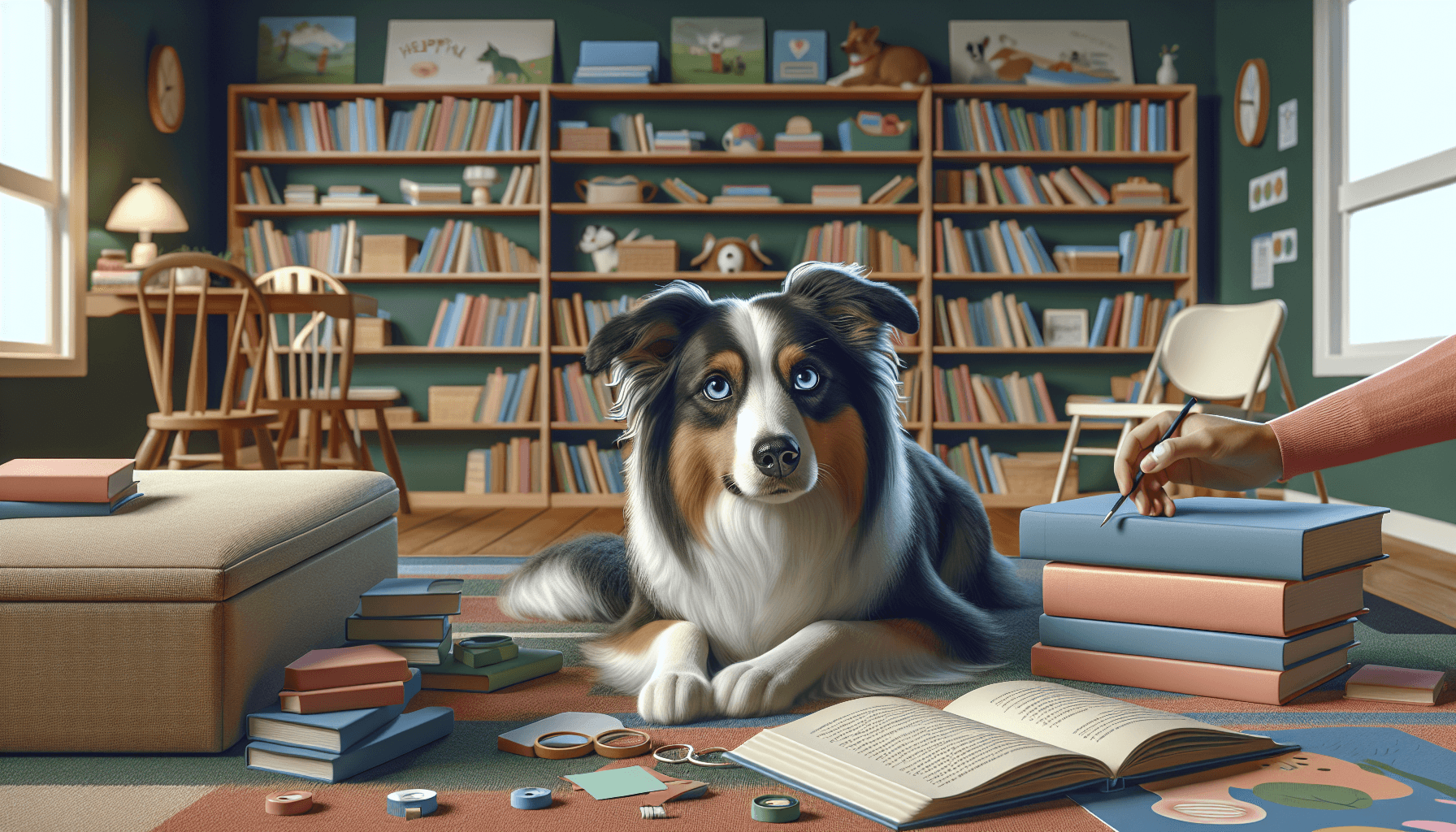
Holiday Reading Tips with Therapy Dogs
The holiday season brings unique opportunities—and challenges—for maintaining reading momentum. Here's how therapy dog principles can guide joyful holiday reading for the whole family.
# Holiday Reading Tips with Therapy Dogs
The week before winter break, eight-year-old Marcus asked a question that startled his mother: "Can I still read to Biscuit during vacation?" His worry was genuine. After months of progress—from reading-avoidant to genuinely engaged—he sensed that two weeks without sessions might undo everything. Would he still be a reader when school resumed? Would the magic disappear?
Marcus's concern reflects a real challenge. The holiday season, wonderful in so many ways, disrupts routines that support struggling readers. Therapy dog sessions pause. School structures disappear. Family activities crowd schedules. The reading momentum that children and dogs build together over months can stall or reverse during these breaks.
But the holidays also offer unique opportunities. Extended family time allows for shared reading experiences. Vacation schedules permit longer reading sessions. Holiday themes provide fresh motivation. And the principles that make therapy dog reading work—low pressure, genuine enjoyment, patient presence—can guide family reading even when the actual dogs are absent.
This guide translates therapy dog reading principles into holiday practices that maintain momentum while embracing the season's unique opportunities. Whether your child reads with Paws & Pages dogs during the school year or you're simply looking for ways to make holiday reading joyful, these approaches help families create reading experiences that match what therapy dogs provide.
Maintaining Reading Routines During Schedule Chaos
Holiday schedules feel fundamentally different from school routines. Bedtimes shift. Mornings become leisurely. Events and gatherings fill days that once followed predictable patterns. Within this chaos, reading routines can easily vanish.
The solution isn't rigid scheduling—holidays should feel different from school weeks. Instead, create anchored reading moments that connect to holiday-specific activities rather than clock times.
**Morning reading with cocoa** replaces rush-out-the-door school mornings with leisurely starts that include reading. While sipping warm drinks, children can read independently, read aloud to family members, or listen to family reading. The pairing of reading with a special treat creates positive associations—exactly what therapy dog sessions do through the pleasure of canine companionship.
Charlie, our Beagle, often works with children who've learned to associate reading with calm pleasure. During holidays, families can recreate this association through environment and ritual rather than dog presence. Cozy blankets, favorite beverages, holiday lights glowing—these sensory pleasures pair with reading just as petting a soft dog pairs with reading during sessions.
**Bedtime reading extension** takes advantage of relaxed evening schedules. Instead of brief pre-sleep reading squeezed into tired moments, holiday evenings can feature extended reading time—family members taking turns, children reading independently in their rooms, or audiobooks playing while children relax.
**Travel reading** transforms car trips and waiting times into reading opportunities. Pack books for every journey, including age-appropriate materials for children of all reading levels. The captive audience of a car creates natural reading time without competing distractions.
Creating Reading Spaces That Feel Special
Therapy dog sessions succeed partly because they create distinct, cozy spaces that feel different from everyday reading contexts. The holiday season offers natural opportunities to create similar special reading environments at home.
**Holiday reading nooks** might be corners decorated with lights, spaces near Christmas trees, or blanket forts designed for reading adventures. Children can help create these spaces, increasing their investment in using them. Luna's handler advises families to involve children in designing "reading spots" that feel magical and personal.
**Fireplace or candle reading** (supervised appropriately) creates ambiance that signals "this is special time." The gentle light, the warmth, the focused attention—these elements recreate the atmosphere therapy dogs create through their calm presence.
**Reading with pets** applies directly if your family includes dogs, cats, or other calm pets. Encourage children to read aloud to family animals, recreating the non-judgmental audience that therapy dogs provide. Even goldfish can serve as listeners for children who need an audience that definitely won't correct their mistakes.
Olive, our Basset Hound, isn't available during holiday break, but her regular readers often read to family pets or even stuffed animals. Her handler explains: "The principle is having someone to read to who isn't evaluating. Anything that provides that serves the same purpose."
Holiday-Themed Reading Materials
The holiday season offers theme-based reading motivation that can re-engage reluctant readers. Holiday books provide fresh content at a time when regular reading might feel stale.
**Picture books with holiday themes** work for readers of all ages—not just young children. The nostalgic pleasure of holiday picture books creates positive reading experiences even for older children who might consider them "babyish" under normal circumstances. Reading holiday classics aloud to younger siblings, cousins, or family members positions older children as readers without pressure.
Honey, our Goldendoodle, reads "How the Grinch Stole Christmas" every December with several children who've "outgrown" picture books. Her handler treats these sessions as celebrations rather than practice, and the children rise to the occasion—reading with expression, enjoying the story, experiencing reading as pleasure.
**Holiday chapter books** provide extended reading opportunities. Series with holiday-themed installments offer familiar characters in new seasonal contexts. New books received as gifts create excitement that can overcome reading reluctance.
**Recipe reading** connects literacy to holiday baking. Following recipes requires reading skills and produces tangible, delicious results. Children who resist recreational reading might eagerly read recipes for cookies or special treats.
**Letter and card writing** involves functional literacy that doesn't feel like "reading practice." Writing holiday messages, reading received cards, and addressing envelopes all develop literacy skills within meaningful social contexts.
Extended Family Reading Opportunities
Holiday gatherings bring together family members who might not usually interact around reading. These relationships offer fresh reading opportunities that complement therapy dog work.
**Grandparent reading** creates intergenerational connections through books. Grandparents can read to grandchildren, grandchildren can read to grandparents, and both can share memories of books from different eras. The patience many grandparents offer mirrors the patience therapy dogs provide—unhurried acceptance that allows children to read at their own pace.
Max, our German Shepherd, works with a teen whose grandmother specifically requested that he read to her during holiday visits. "I told her my hearing isn't good," the grandmother explained privately, "so he reads slowly and clearly for me to understand." The excuse—compassionate fiction—gives the teen face-saving motivation to practice reading aloud.
**Cousin reading** pairs children of different ages for mutual benefit. Older children gain confidence reading to younger audiences; younger children enjoy attention from older relatives. These pairings recreate the reader-audience dynamic of therapy dog sessions.
**Family reading challenges** create shared goals that motivate participation. Collectively tracking books read during the holiday break, competing in friendly reading games, or working toward family reading goals creates community around literacy.
Managing Reading Pressure During High-Stress Seasons
The holiday season, despite its joys, creates stress that can affect struggling readers. Family expectations, schedule disruption, and general chaos can trigger anxiety that spreads to reading. Parents must balance maintaining reading momentum with not adding stress during an already stimulating time.
**Lower expectations temporarily** rather than pushing harder. If a child typically reads for twenty minutes during therapy sessions, holiday reading might be shorter as children adjust to schedule disruptions. Brief positive experiences maintain momentum better than forced longer sessions that become battles.
Captain's handler advises families: "Think of holiday reading as maintaining the relationship between child and reading, not advancing skill. If they read at all, voluntarily, with any enjoyment, you've succeeded."
**Release performance pressure** during family reading times. When children read aloud to relatives, well-meaning adults sometimes correct mistakes or comment on reading level. Coach family members in advance about the importance of patient, non-judgmental listening—the approach therapy dogs model naturally.
**Respect temporary resistance** without abandoning reading entirely. Some children need break periods; pushing through resistance can damage the positive reading relationships therapy dog sessions build. Offer opportunities without demanding participation, and return to regular expectations when school resumes.
**Manage comparison dynamics** when children interact with relatives who may be stronger readers. Cousins who read fluently can inadvertently shame struggling readers. Proactively create situations where struggling readers can succeed, and redirect conversations that highlight comparison.
Preparing for Return to Sessions
The end of holiday break means returning to therapy dog sessions. Thoughtful preparation eases transitions that might otherwise feel jarring.
**Review familiar books** in the days before sessions resume. Reconnecting with texts the child has read during sessions maintains fluency and creates confidence for the return. "Remember how you read this to Luna? You'll read it to her again soon."
**Discuss session anticipation** to build excitement. Talk about the therapy dog, share memories of favorite sessions, and frame return as reunion with a friend rather than resumption of work.
**Communicate with handlers** if significant events occurred during break. Handlers appreciate knowing about relevant developments—positive or challenging—that might affect how children present when sessions resume.
Rosie's handler sends brief holiday messages to families: "Rosie misses reading with Maya! She's been listening to holiday music and can't wait to hear Maya's voice again." These messages maintain connection during breaks and ease transition back to sessions.
Making Family Dogs Part of the Solution
Families with dogs can extend therapy dog principles year-round, not just during holidays. While family pets aren't therapy-certified, they can provide similar benefits with appropriate guidance.
**Create structured reading-to-dog time** at home. Set up a comfortable spot, invite the dog to settle nearby, and encourage children to read aloud. The dog needn't be formally trained; they simply need to be present and calm enough not to disrupt reading.
Daisy, our Samoyed, has a home "colleague"—a family Samoyed owned by one of her readers. The child reads to the home dog between sessions, maintaining practice and positive associations. "I tell both dogs the same story," the child explains, "so they can talk about it when they see each other."
**Teach dogs basic settle behavior** if they're too active to rest during reading. Even minimal training—rewarding calm, providing a specific mat to settle on—can create adequate conditions for reading practice.
**Include pet care reading** as functional literacy. Reading about dog care, training, health, and breeds connects literacy with genuine interest. Children who struggle with fiction might engage with non-fiction about their beloved pets.
**Document reading progress with photos** of children reading to family pets. These images reinforce reading identity and create visual records of progress that children can review.
The Gift of Reading Joy
The best holiday reading gift isn't any particular book—it's the experience of reading as joy rather than obligation. Therapy dog sessions create this joy through non-judgmental presence, patient attention, and the genuine pleasure of canine companionship. Holidays can create similar joy through family warmth, special rituals, and the message that reading belongs to celebration, not just school.
Marcus, who worried about losing his reading progress during break, discovered something wonderful over his holiday. Reading without Biscuit felt different, but reading with his grandmother by the fire felt special in its own way. Reading to his little cousin made him feel important. Reading with cocoa each morning became a ritual he actually missed when school resumed.
When he returned to his first January session with Biscuit, he arrived with a book he'd received for Christmas. "I already read the first three chapters to Grandma," he announced. "But I saved the rest for you."
Biscuit's tail wagged as Marcus settled in to read. The progress built over months hadn't disappeared during break—it had deepened. The joy of reading had found new expressions, new contexts, new relationships. That's what holiday reading can do: expand the circle of positive reading associations until reading belongs not just to therapy sessions but to family, to celebration, to life.

Paws & Pages Team
The Paws & Pages team is dedicated to building confident readers through the unconditional love of therapy dogs. Our team of educators, trainers, and volunteers share tips, stories, and resources to support literacy and the human-animal bond.
View all posts