From Shelter to Service: Rescue Dogs as Reading Buddies
Some of our most beloved therapy dogs started in shelters, written off as unadoptable. Here's why rescue dogs often excel at this gentle work—and how their second chances transform children's lives.
# From Shelter to Service: Rescue Dogs as Reading Buddies
In a concrete shelter kennel in rural Virginia, a Border Collie mix with mismatched eyes—one blue, one brown—had been waiting for eight months. Her intake paperwork described her as "high energy, may be challenging in home environment." Potential adopters looked past her kennel, drawn to calmer, easier dogs. The shelter staff loved her but worried: how much longer could they hold a dog no one seemed to want?
Two hundred miles away, a struggling third-grader named Marcus had stopped reading aloud entirely. His teachers had tried everything. His parents were desperate. Reading had become so painful that he'd rather face punishment than pick up a book.
Today, that Border Collie—Luna—is one of the most requested therapy dogs in the Paws & Pages program, and Marcus credits her with teaching him that reading could be safe. Their story isn't unique. Throughout our program, rescue dogs who faced uncertain futures have become the animals who change children's lives.
Why Rescue Dogs Often Excel
There's a persistent myth that therapy dogs must be perfectly bred, professionally raised, and specifically selected from puppyhood for therapeutic work. Some excellent therapy dogs do come from these backgrounds. But many of our most effective reading buddies started life in challenging circumstances and spent time in shelters before finding their calling.
Why do rescue dogs so often excel at therapy work? Our experience suggests several factors.
Deep Bonds Form from Gratitude
Rescue dogs often form intensely loyal bonds with the handlers who gave them second chances. This isn't anthropomorphic projection—it's observable behavior. Dogs adopted from difficult circumstances frequently display heightened attachment to their humans, staying close, checking in often, responding eagerly to cues.
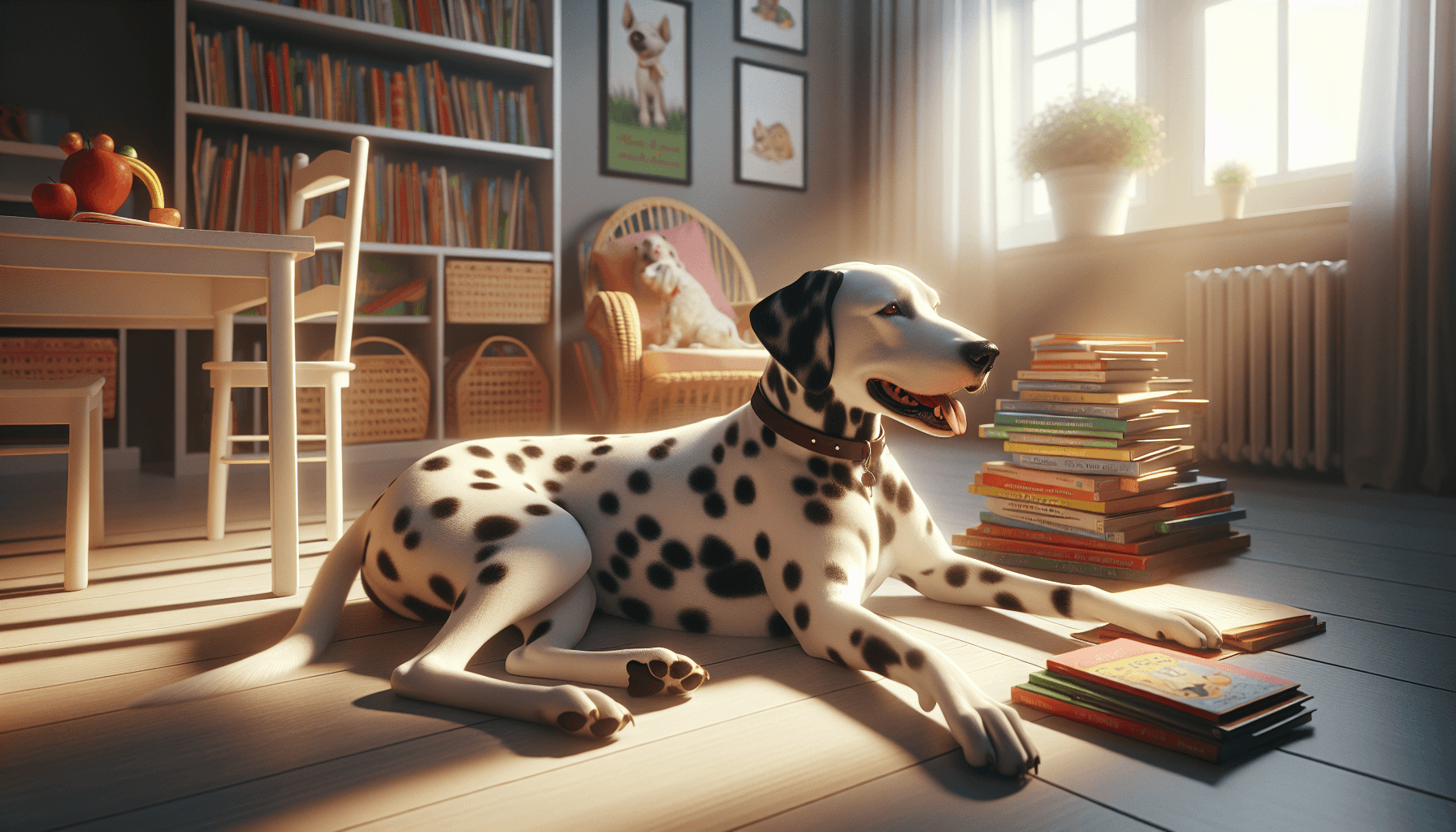
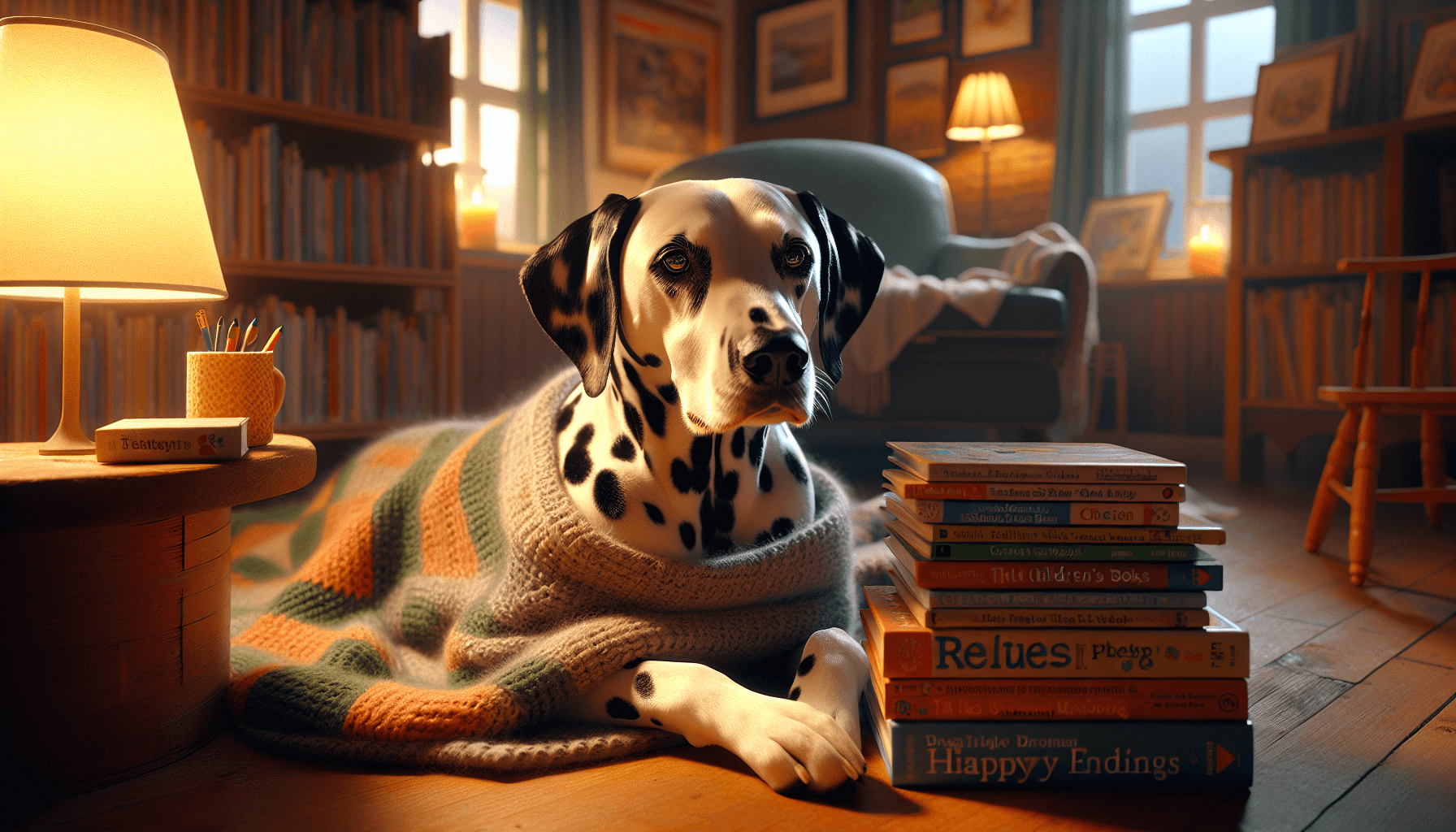
Pepper, our Dalmatian, was pulled from a hoarding situation where he'd received minimal human contact. Handler Robert Martinez adopted him expecting a long rehabilitation process. Instead, Pepper attached to Robert immediately and completely: "He looked at me like I was the center of the universe from day one. That bond transferred into our therapy work. Pepper is so tuned to me that he picks up my cues instantly. And he extends that attentiveness to children—they feel his focus, his presence, his desire to connect."
This capacity for deep bonding, forged perhaps through the experience of losing and finding safety, translates into therapy dogs who are remarkably present with the children they serve.
Resilience Develops Through Challenge
Dogs who have survived difficult circumstances develop resilience—the capacity to remain calm and functional when situations become challenging. Shelters are noisy, unpredictable environments. Dogs who thrive there have learned to stay regulated amid chaos.
This resilience transfers directly to therapy work. Reading programs take place in libraries that suddenly get loud, schools where fire drills interrupt sessions, community centers with unexpected events. Dogs who have learned to stay calm in chaotic shelter environments often handle these disruptions better than dogs raised in controlled, predictable settings.
Luna exemplifies this resilience. Her eight months in shelter kennels, while stressful, also taught her to remain functional amid constant noise, unfamiliar people, and unpredictable schedules. Handler Marcus Thompson noticed this immediately: "The first time a fire alarm went off during one of Luna's sessions, I braced for disaster. But Luna barely flinched. She looked at me, I signaled that everything was okay, and she refocused on her reader. She'd heard worse in the shelter and learned that loud noises don't always mean danger."
Calm Demeanors Emerge from Experience
Many people assume shelter dogs are damaged, anxious, or aggressive. Some are, and those dogs aren't suited for therapy work. But many shelter dogs—especially adult dogs—have simply been surrendered by families facing hardship, or found as strays, or rescued from unfortunate circumstances. These dogs often possess the calm, gentle temperaments that make excellent therapy animals.
In fact, we sometimes find calmer, more settled temperaments among adult rescue dogs than among puppies raised specifically for therapy work. Puppyhood is chaotic, and young dogs are still developing impulse control. Adult shelter dogs have often moved past this developmental stage and display mature, stable behavior.
Olive, our Basset Hound, arrived at a shelter as a stray, her past unknown but her temperament unmistakable: calm, gentle, unflappable. Handler Rachel Green wasn't looking for a Basset when she visited the shelter, but Olive's demeanor stopped her: "She looked at me with these soulful eyes, completely relaxed despite the barking dogs around her. I asked to meet her, and she leaned into me like we'd known each other forever. That calm is her superpower in therapy work—she creates peaceful space wherever she goes."
The Luna Story
Luna's journey from shelter dog to star therapy animal illustrates what's possible when the right dog meets the right opportunity.
When handler Marcus Thompson first saw Luna at a regional shelter, he wasn't specifically looking for a therapy dog. He wanted a companion for hiking and running, and Luna's Border Collie energy seemed like a good match. The adoption went smoothly, but Luna's adjustment was rocky—she was anxious, reactive to other dogs, and struggled with the transition from shelter to home.
Marcus worked patiently with Luna through those difficult first months. Slowly, her anxiety decreased. Her reactivity faded. What emerged was a dog of extraordinary focus and emotional intelligence—one who seemed to read human emotions with uncanny accuracy.
A friend suggested Marcus look into therapy dog certification, and the idea clicked. Luna's evaluations revealed a dog with natural gifts: she remained calm in crowded spaces, tolerated handling from strangers, and displayed a rare ability to modulate her energy to match whoever she was with.
Her first reading session was with a group of struggling readers at a local library. Marcus watched, nervous, as a shy eight-year-old approached Luna with a book about dogs. Luna fixed her mismatched eyes on the girl and went completely still—not frozen, not tense, but utterly present. The girl began to read, stumbling over words, and Luna's attention never wavered.
"That girl read for twenty minutes," Marcus recalls. "Her teacher told me later she usually refused to read aloud at all. Something about Luna's attention made her feel safe."
The library requested more visits. Then a school heard about Luna and called. Then another library, another school. Today, Luna is one of our most active therapy dogs, working with dozens of children weekly. The dog who spent eight months in a shelter hoping someone would notice her now has a waiting list of children hoping to read to her.
Other Rescue Success Stories
Luna isn't our only rescue success. Throughout Paws & Pages, dogs with uncertain beginnings have found purpose in therapeutic work.
Pepper: From Hoarding Victim to Gentle Giant
Pepper, a spotted Dalmatian, was removed from a hoarding situation where he'd lived with dozens of other dogs in squalid conditions. He arrived at a rescue with matted fur, undersocialized, and afraid of sudden movements.
Handler Robert Martinez saw potential beneath the fear. Over six months of patient rehabilitation, Pepper transformed. His fearfulness gave way to a gentle, trusting nature. His undersocialization, it turned out, wasn't a permanent condition—just a gap that could be filled with positive experiences.
Today, Pepper is particularly effective with children who have experienced instability or trauma. There's something about his gentle resilience that resonates with kids who understand what it means to have a difficult past. Robert has watched numerous children open up to Pepper in ways they don't with people: "They see his scars—actual scars on his ears from his old life—and they ask about his story. When I tell them he came from a hard place but found a good life, something shifts. They see themselves in him."
Tucker: Second Chance Shepherd
Tucker, our Australian Shepherd with one blue eye and one brown, came from a family that surrendered him when they moved to an apartment that didn't allow dogs. He was four years old, well-trained, healthy—and suddenly homeless through no fault of his own.
Handler Sandra Lee met Tucker at a rescue organization's adoption event. He was older than most adopters wanted, and his mismatched eyes made some people uneasy. Sandra saw something different: "He looked at me with this depth, like he understood more than a dog should. When I sat down, he immediately put his head in my lap. Not jumping, not demanding—just connecting."
Tucker's adult maturity made him easy to certify as a therapy dog. He already knew commands, already had impulse control, already understood how to be calm in public. His previous family's loss became other children's gain: a stable, experienced dog who knew exactly how to behave and was ready to serve from day one.
Rosie: The Stray Who Found Her Purpose
Rosie, our gentle Cocker Spaniel, was found wandering a suburban neighborhood with no collar, no microchip, and no one searching for her. She spent weeks at a shelter while staff tried to locate her family, but no one ever claimed her.
Handler James Wilson adopted Rosie initially as a family pet, but quickly noticed her exceptional gentleness with his young children. When Paws & Pages recruitment materials came across his social media, he wondered if Rosie might have gifts to share beyond his family.
Her temperament testing revealed a dog perfectly suited for therapy work. She was calm without being disengaged, attentive without being demanding, gentle in ways that suggested either excellent early socialization or remarkable natural temperament. Whatever her unknown past held, it had produced a dog built for comforting.
Rosie now specializes in working with very young readers—pre-kindergarten children who are building relationships with books before formal reading begins. Her small size and infinite patience make her perfect for lap-sitting story time, where children "read" picture books by describing what they see. James watches her accept every interaction with grace: "Kids pet her roughly, drop books on her, shriek with excitement. Rosie just blinks and stays present. Wherever she came from, she learned that little humans are worth patience."
Finding the Right Rescue Dog for Therapy Work
Not every shelter dog is suited for therapy work—but then, neither is every purebred or purpose-raised dog. The key is knowing what to look for and being honest about what you observe.
Temperament Over Breed
Breed matters less than individual temperament. We have excellent therapy dogs from breeds typically considered challenging (German Shepherds, Dalmatians) and dogs from "easy" breeds who didn't make the cut. Focus on the individual dog's behavior, not breed stereotypes.
When visiting shelters, look for dogs who: - Approach people calmly rather than frantically - Accept handling without snapping or cowering - Recover quickly from startling events (drop a book, see how they respond) - Can settle and relax in the presence of visitors - Show curiosity without overwhelming intensity
Ask About History
Shelters often know significant information about their dogs' backgrounds. Ask questions: - Why was this dog surrendered? (Family circumstances vs. behavior problems tell different stories) - How does this dog interact with children? - Has this dog shown any aggression or extreme fear? - How does this dog behave when startled or stressed?
Allow Recovery Time
Dogs fresh from shelter environments often need weeks or months to decompress before their true temperament emerges. The stressed, overstimulated dog you meet in a kennel may become a calm, gentle companion once settled in a stable home.
Plan to spend time helping your new dog adjust before beginning therapy training. This investment in early recovery pays dividends later—a dog who has fully decompressed can focus on learning new skills rather than managing ongoing stress.
Consider Adult Dogs
Puppies are appealing, but adult dogs often make better therapy candidates. They've moved past developmental chaos, their temperaments are established, and they may already know basic commands. Dogs between two and six years old often represent a sweet spot: mature enough to be stable, young enough to have many years of service ahead.
The Deeper Connection
There's a profound appropriateness to rescue dogs working with struggling children. Both have faced challenges. Both may have been underestimated or overlooked. Both deserve second chances.
Children sense this connection, even when it's not made explicit. When handler Robert Martinez tells children that Pepper came from a difficult situation but found a happy life, kids understand something beyond the words. They recognize a kindred spirit—a being who knows what it's like to struggle and who emerged with gentleness intact.
Luna's mismatched eyes, which initially made her seem unadoptable, have become her signature. Children love those eyes, find them fascinating rather than unsettling. Handler Marcus Thompson uses them as a conversation starter: "I tell kids that Luna sees with one eye that watches for adventure and one eye that watches for feelings. They decide which eye is which, and it becomes their thing with Luna."
What Rescue Dogs Teach Us All
Beyond their direct service to children, rescue therapy dogs offer a broader lesson: potential isn't determined by origin. A dog written off as unadoptable can become a beloved healer. A child labeled as a struggling reader can become someone who finds joy in books. Neither dogs nor children should be defined by their worst moments or hardest circumstances.
Every time Luna lies patiently beside a reluctant reader, she embodies possibility. Every time Pepper's gentle presence helps a traumatized child feel safe, he demonstrates resilience. Every time Tucker's focused attention makes a struggling student feel heard, he proves that second chances matter.
At Paws & Pages, we've built a program on these second chances—for dogs who needed homes, for children who needed help, for the belief that everyone deserves someone who will listen without judgment.
The shelter dog in kennel 47 might be waiting for their calling. The child who hates reading might be waiting for the right listener. Sometimes the waiting ends when they find each other.
Paws & Pages Team
The Paws & Pages team is dedicated to building confident readers through the unconditional love of therapy dogs. Our team of educators, trainers, and volunteers share tips, stories, and resources to support literacy and the human-animal bond.
View all posts