Dog Breeds Best Suited for Library Work
From gentle giants to pocket-sized companions, discover which dog breeds make the best reading buddies and why temperament matters more than pedigree.
# Dog Breeds Best Suited for Library Work
Walk into any Paws & Pages reading session and you'll encounter a delightful menagerie of wagging tails, floppy ears, and wet noses. From Apollo, our majestic Great Dane who takes up half the reading nook, to Lucy, our pint-sized Corgi who's perfectly eye-level with sitting kindergarteners, our program proves that great therapy dogs come in all shapes and sizes. But if you're considering adding a reading dog program to your library or school, you might wonder: which breeds actually excel at this work?
The answer, as we've learned over years of experience, is both simple and complex. While certain breeds appear more frequently in therapy work, the individual dog's temperament ultimately matters far more than their pedigree. That said, understanding breed characteristics can help you make an informed choice when selecting or evaluating potential reading buddies.
The Gentle Giants: Large Breeds That Excel
When parents first see Apollo lumber into the children's section, they sometimes gasp. At nearly three feet tall at the shoulder and weighing more than some of our young readers, our fawn-colored Great Dane looks more like a small horse than a therapy dog. But within minutes, skepticism transforms into adoration as children discover that Apollo is essentially a 150-pound teddy bear who moves through the library with the careful precision of a ballet dancer.
Large breeds like Great Danes, Bernese Mountain Dogs, and Standard Poodles often make exceptional library dogs precisely because of their size. Their imposing stature teaches children an important lesson: you cannot judge a book—or a dog—by its cover. Koda, our Bernese Mountain Dog, has become our "comfort specialist," his massive fluffy presence providing a sense of security for children dealing with anxiety or difficult life transitions. There's something deeply reassuring about leaning against 110 pounds of warm, patient fur while reading about dragons and adventures.
German Shepherds, despite their reputation as working dogs, can also excel in library settings when properly trained and temperament-tested. Max, our black-and-tan shepherd, was originally trained for police work but was "career-changed" because he was simply too friendly. What made him unsuitable for law enforcement made him perfect for us. Children who initially approach him with nervousness—expecting the stern police dog they've seen on television—quickly discover the marshmallow heart beneath his noble exterior.
Medium-Sized Marvels: The Versatile Middle Ground
The medium-sized breeds in our program often prove the most versatile, adapting easily to different spaces and reader needs. Golden Retrievers and Labrador Retrievers remain the quintessential therapy dogs for good reason. Biscuit, our founding Golden Retriever, has been present at over 500 reading sessions since the program began. Her soft golden fur, perpetually wagging tail, and seemingly inexhaustible patience have comforted hundreds of nervous readers.
Captain, our yellow Labrador, brings something unique to library work: visible enthusiasm. While many therapy dogs are trained to remain calm and still, Captain's breeding as a retriever means he can't quite hide his excitement. His ears perk up during action sequences, and his tail creates a rhythmic thump-thump-thump during suspenseful moments. Far from being a distraction, children absolutely love feeling like they're such good storytellers that even the dog is on the edge of his seat.
Border Collies and their mixes, like our Luna, might seem like surprising choices given their high-energy reputation. However, their extraordinary intelligence and emotional sensitivity can make them exceptional reading companions. Luna has an almost supernatural ability to sense when a child is about to stumble on a word or feel frustrated, positioning herself closer at precisely those moments. Her heterochromatic eyes—one blue, one brown—fascinate children, and her intense focus makes every reader feel like the most important person in the room.
Australian Shepherds, like our Tucker, bring similar intelligence to library work. Tucker's meditation-trained focus helps easily distracted readers stay on track. When attention wanders, his steady, mismatched gaze draws children back to the page. For kids with ADHD or attention challenges, Tucker serves as what one young reader called "my brain's reset button."
Compact Companions: Small Breeds With Big Hearts
Never underestimate the power of a small dog in a library setting. Bella, our Cavalier King Charles Spaniel, specializes in working with our youngest readers—kindergarteners and first-graders who might find larger dogs overwhelming. At just about 15 pounds, she fits perfectly in a child's lap, her silky ears within easy petting reach while little hands hold books. Former fourth-grade teacher Thomas Park adopted Bella specifically for this purpose, and she has helped countless children realize that reading can be a cozy, comforting experience.
Lucy, our Pembroke Welsh Corgi, proves that short legs are no impediment to tall ambitions. At just 10 inches at the shoulder, she's perfectly eye-level with children sitting cross-legged on library cushions. Her foxy face and perpetually wagging stub tail make her instantly approachable, and her herding instincts translate beautifully into therapy work—she naturally "rounds up" wandering attention, circling back to re-engage distracted readers without being pushy.
Beagles, like our Charlie, bring a happy-go-lucky energy that puts anxious readers at ease. Charlie spent his early years as "the bookstore dog" in a downtown shop, developing his relaxed demeanor among browsing customers. His soft "awoo" when reading sessions end has become legendary—children swear he's asking for just one more chapter.
The Unexpected Stars: Breeds You Might Not Expect
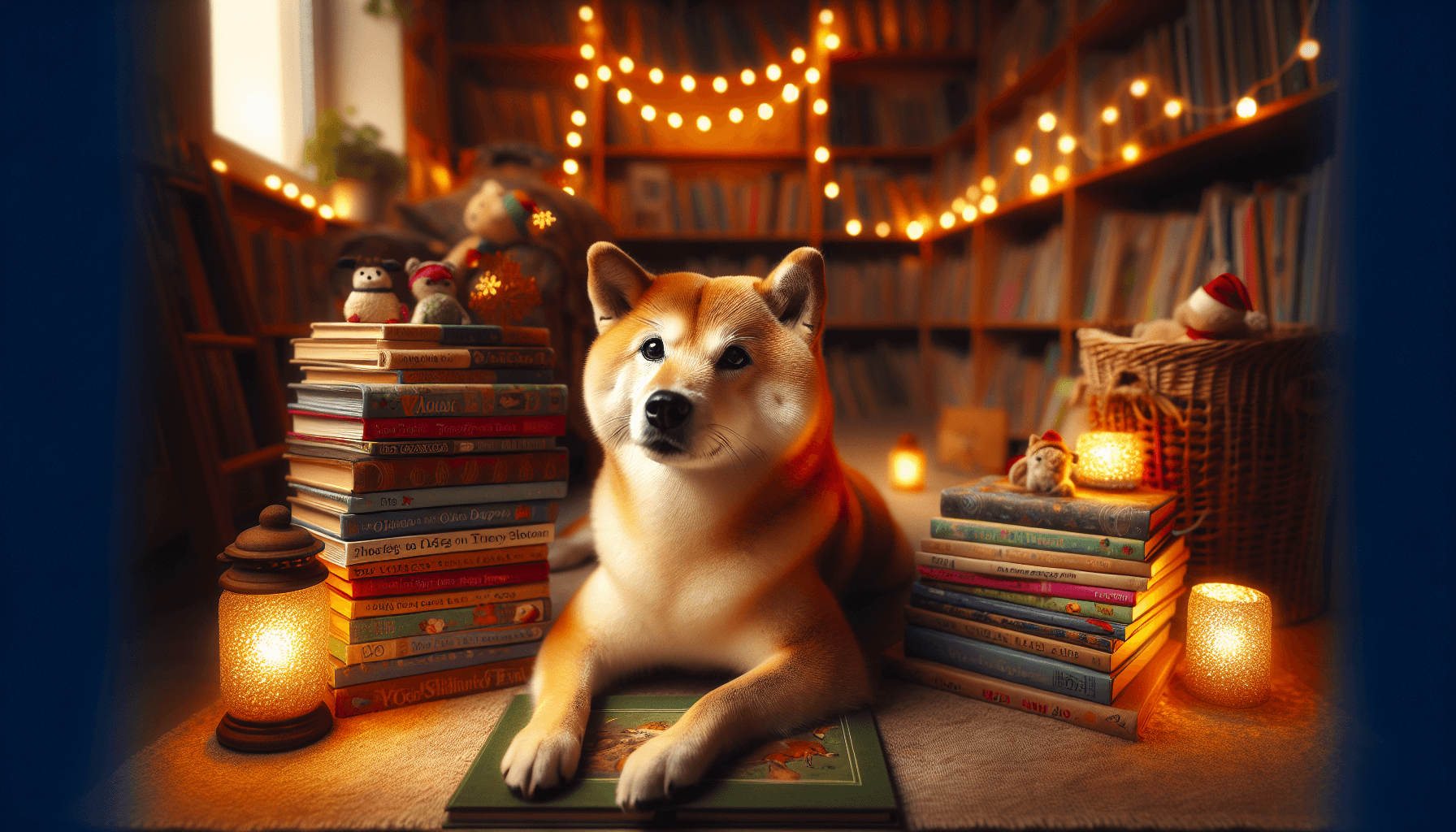
Some of our most effective therapy dogs come from breeds that rarely appear on "best therapy dog" lists. Ginger, our Shiba Inu, breaks the mold entirely. She's not cuddly or overtly affectionate—instead, she offers calm, cat-like companionship for children who find enthusiastic dogs overwhelming. Her dignified indifference paradoxically builds trust with guarded kids, particularly those with selective mutism who need a low-pressure presence.
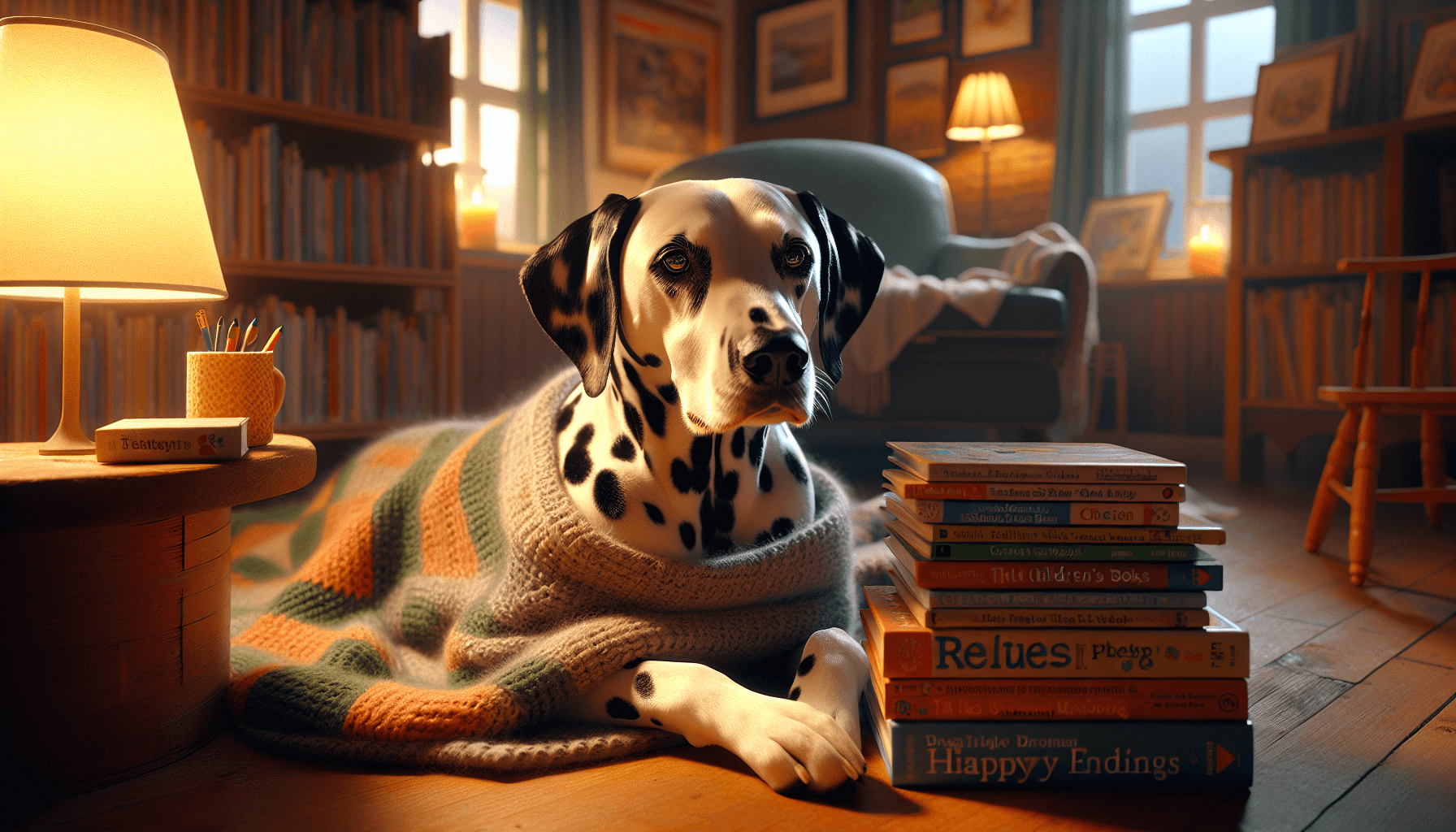
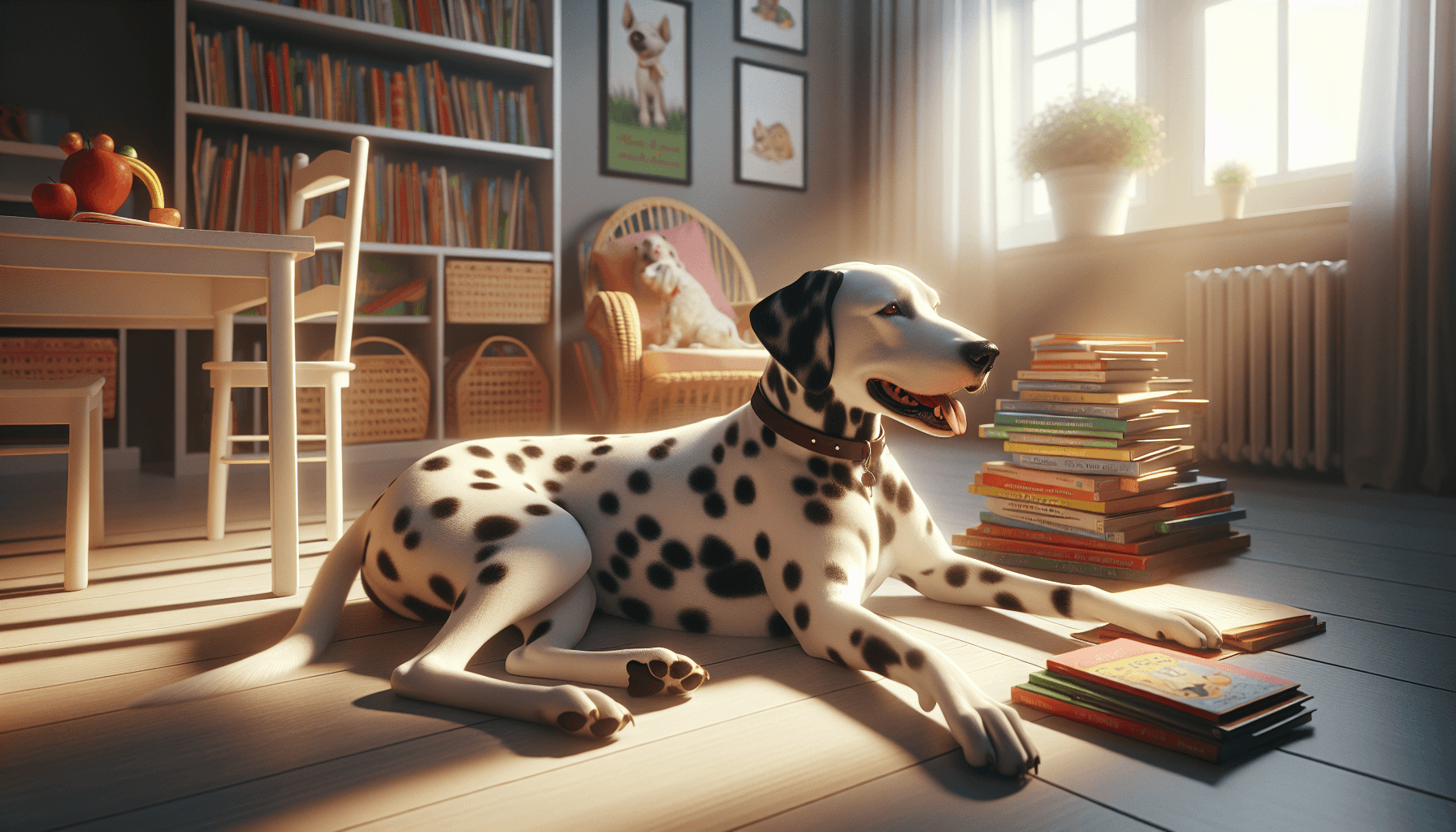
Dalmatians rarely appear in therapy work, but Pepper has become one of our most impactful reading buddies. His rescue story—found abandoned and underweight at a gas station—resonates deeply with children facing their own challenges. Pepper's journey from hardship to happiness teaches young readers that difficult beginnings don't define endings.
Even Basset Hounds, not typically associated with libraries, have found their niche. Olive, with her impossibly long ears and soulful eyes, has become our "slow reading specialist." For children with auditory processing challenges or those who simply need more time, Olive's leisurely approach to life provides the perfect permission slip. "Olive speed," as one reader calls it, has become a badge of honor rather than a source of shame.
Temperament Over Breed: What Really Matters
While breed characteristics provide useful guidelines, we've learned that individual temperament ultimately determines success. The American Kennel Club's Canine Good Citizen test and therapy dog certification evaluations focus on specific behaviors rather than breed: tolerance of clumsy handling, calm response to sudden noises, comfort around wheelchairs and walkers, and the ability to remain relaxed in crowded, unpredictable environments.
When evaluating potential reading dogs, look for these traits regardless of breed: patience that borders on saintly, genuine enjoyment of human contact, adaptability to changing situations, and what handlers often call "an off switch"—the ability to shift from playful to calm as the situation requires. Finn, our Irish Setter, failed his certification test twice because he was "too energetic." His current handler, Lisa, taught him that reading time was "focus time," channeling his boundless enthusiasm into intense attention rather than physical activity.
The magic of therapy dog reading programs lies not in any particular breed, but in the connection between child and canine. Whether that connection forms with a massive Great Dane or a pocket-sized Cavalier, the result is the same: children who once dreaded reading discover that books become better when shared with a furry friend.
Getting Started With Your Library's Reading Dog Program
If you're inspired to start a therapy dog reading program, begin by connecting with established therapy dog organizations in your area. Groups like Pet Partners, Alliance of Therapy Dogs, and Love on a Leash can help identify certified teams looking for volunteer opportunities. Many libraries partner with local training clubs or veterinary practices to recruit and evaluate potential dogs.
Remember that successful library dogs need more than good temperament—they need handlers who understand both canine behavior and library environments. The best reading dog programs invest as much in handler training as dog evaluation, ensuring that every session creates positive experiences for children, dogs, and library staff alike.
Our eighteen therapy dogs at Paws & Pages represent just a fraction of the wonderful dogs helping children discover the joy of reading across the country. Whether you choose a breed known for therapy work or take a chance on an unexpected candidate, the most important qualification remains unchanged: a heart big enough to share with every young reader who needs a patient, non-judgmental audience.

Paws & Pages Team
The Paws & Pages team is dedicated to building confident readers through the unconditional love of therapy dogs. Our team of educators, trainers, and volunteers share tips, stories, and resources to support literacy and the human-animal bond.
View all posts