Finding Therapy Dog Programs Near You
Ready to connect your child with the benefits of therapy dog reading? Here's your comprehensive guide to finding, evaluating, and getting started with programs in your community.
# Finding Therapy Dog Programs Near You
The email arrived late on a Tuesday night: "My daughter hates reading. She cries before school because she's afraid of reading time. Her teacher suggested looking into therapy dog reading programs, but I don't know where to start. Is there anything near us?" The mother had found our website and hoped we operated in her area—unfortunately, we didn't, but her question resonated with hundreds of similar inquiries we receive each year from families desperate to help their struggling readers but unsure how to access help.
Therapy dog reading programs are more widespread than many families realize, but finding them requires knowing where to look. These programs operate under various names, through diverse organizations, and in many different community settings. They may be called "reading buddies," "library dogs," "literacy pups," or any number of creative variations. They might run through libraries, schools, nonprofits, pet therapy organizations, or independent initiatives. This diversity, while wonderful for accessibility, creates challenges for families trying to locate services.
This guide will help you find therapy dog reading programs in your community, evaluate them effectively, get your child started, and—if no programs exist nearby—understand your options for accessing this powerful intervention.
Where to Start Your Search
Several natural starting points can quickly reveal whether therapy dog reading programs operate in your area.
**Public libraries** are among the most common hosts for therapy dog reading sessions. Many libraries offer regular "read to a dog" programs, often advertised on their websites or community calendars. Start by checking your local library system's website—search for terms like "reading dogs," "literacy dogs," "read to a dog," or "animal-assisted reading." If the website doesn't yield results, call the children's services desk directly. Staff often know about programs even if they're not prominently advertised online.
The Westbrook Public Library, where several Paws & Pages dogs work, learned that families often miss program announcements simply because they don't know to look. They now mention reading dog programs during every story time, post flyers in pediatrician offices, and train all staff to mention the program when families ask about reading help. Your library might have similar resources that aren't immediately visible.
**School districts** sometimes offer therapy dog reading programs, either as part of special education services or as enrichment programs available to all students. Contact your child's school counselor, reading specialist, or special education coordinator to ask whether animal-assisted reading support is available. Some schools host visiting therapy dog teams; others have resident therapy dogs that work with multiple students.
**Pet therapy organizations** in your region may offer reading-specific programs or can direct you to them. Organizations like Pet Partners, Therapy Dogs International, and Alliance of Therapy Dogs maintain registries of certified therapy dog teams, some of whom specialize in reading support. Contact these organizations to ask about reading programs using their certified teams in your area.
**Children's hospitals and healthcare facilities** sometimes incorporate therapy dog reading into their family support services. If your child receives care at a children's hospital or pediatric therapy facility, ask whether they offer or can recommend animal-assisted reading programs.
**Online directories and databases** aggregate therapy dog program information, though coverage varies by region. Search "therapy dog reading programs [your city/region]" or "read to a dog programs near me." Social media groups for parents of struggling readers sometimes share program recommendations.
Questions to Ask When Evaluating Programs
Not all therapy dog programs are created equal. Once you've identified potential programs, evaluate them carefully using these guiding questions.
**What certifications do the dog-handler teams hold?** Legitimate therapy dog programs use teams certified through recognized organizations. Ask which certification body evaluates their teams and what the certification process involves. Reputable certifications (Pet Partners, Alliance of Therapy Dogs, Therapy Dogs International, and others) require temperament testing, handler training, and ongoing evaluation. Programs that use uncertified dogs may present safety and liability concerns.
**What training do handlers receive specifically for reading support?** Being a good therapy dog handler doesn't automatically translate to being effective at supporting struggling readers. Ask about handler training in literacy development, working with anxious or reluctant readers, and creating effective reading sessions. Programs with specialized training produce better outcomes than those that simply place nice dogs in front of children.
Captain's handler, Diane, received forty hours of training specifically about literacy support—covering reading development, book selection, supporting struggling readers, and adapting sessions to individual needs. This training supplemented her general therapy dog handler certification and makes her sessions far more effective than they'd be with handler skills alone.
**What is the ratio of dogs to children?** Most effective therapy dog reading programs maintain one-to-one or very small group ratios—one dog with one child, or one dog with two to three children maximum. Larger groups lose the intimacy that makes therapy dog reading work. Programs that advertise classroom visits with many children observing a therapy dog may provide enrichment but aren't providing individualized reading support.
**How are children matched with dogs?** Good programs consider child needs when assigning therapy dog partners. A child who's anxious about large dogs shouldn't be placed with a Great Dane; a highly active child might thrive with an energetic dog. Ask how the program approaches matching and whether adjustments are made if initial matches aren't working.
**What does a typical session involve?** Understand the session structure: length, activities, handler involvement, book selection process, and how progress is tracked. Sessions should focus primarily on children reading to dogs, with handlers providing support rather than instruction. Sessions that involve more talking than reading, or more petting than reading, may be pleasant but won't build reading skills.
**How is progress tracked and communicated?** Effective programs monitor children's progress and share information with families. Ask what assessment approaches they use, how frequently they evaluate progress, and how they communicate with parents. Programs that can't explain how they measure success may not be tracking whether they're actually helping children.
**What are the costs, if any?** Many therapy dog reading programs are free, funded through libraries, schools, or nonprofit support. Others charge fees. Understand the cost structure and whether financial assistance is available for families who need it.
**What safety protocols are in place?** All therapy dogs should be vaccinated, groomed, and health-cleared before sessions. Handlers should know how to recognize stress in dogs and respond appropriately. Programs should have protocols for managing allergies, fears, and unexpected situations. Ask specifically about their safety measures.
What to Expect When Starting
Once you've found a program, the enrollment and first-session process typically follows a predictable pattern.
**Initial intake** gathers information about your child: reading history, current challenges, goals, any relevant health information (allergies, fears), and what you hope therapy dog sessions will accomplish. Be honest and thorough—this information helps programs match your child appropriately and support them effectively.
**Orientation** may be offered for children and families new to the program. This might include meeting potential therapy dogs in a low-pressure context, learning about session expectations, and asking questions. Orientation helps children feel comfortable before actual reading sessions begin.
**First sessions** are typically observational and relationship-building. Don't expect your child to read immediately—the first session might focus entirely on getting comfortable with the dog and handler. Olive's handler spends her first sessions with new children simply talking about dogs, letting children pet Olive, and building rapport. Books appear when children seem ready.
**Early progress** may not follow expected patterns. Some children take immediately to therapy dog reading; others need weeks to build comfort before engaging with books. Trust the process and communicate with handlers if you have concerns. Progress often comes in bursts after periods of apparent stagnation.
**Ongoing participation** requires commitment. Therapy dog reading programs work through consistent engagement over time—once a week for several months typically produces better outcomes than sporadic participation. Plan to prioritize sessions and maintain regular attendance.
Preparing Your Child
You can help your child succeed in therapy dog reading by preparing them thoughtfully.
**Frame it positively** without creating pressure. "We found a program where you can read to a friendly dog! Dogs don't care about mistakes—they just like hearing stories" sounds different than "You're going to get reading help" or "This will make you a better reader." Focus on the enjoyable aspects, not the remedial purpose.
**Address any dog-related concerns** before the first session. If your child has had negative dog experiences, has never been around dogs, or expresses nervousness, communicate this to the program and talk through feelings with your child. Some children need gradual dog exposure before they're ready for reading sessions.
**Avoid pressure about performance.** The point of therapy dog reading is reducing reading stress, not adding to it. Don't set expectations for how well your child should read, how quickly they should progress, or what they should accomplish in sessions. Let the experience unfold naturally.
**Maintain confidentiality** about your child's participation if they're sensitive about it. Some children don't want peers to know they're in a "reading help" program. Respect your child's privacy and let them decide what to share with others.
**Stay engaged but not hovering.** Programs may invite parents to observe, participate, or wait in nearby areas—follow their guidance. Generally, children do best when parents aren't in the immediate session space, but staying nearby (rather than dropping off and leaving) communicates support.
When No Programs Exist Nearby
Despite growth in therapy dog reading programs, many communities still lack them. If you can't find programs in your area, several options remain.
**Request programs through existing channels.** Libraries, schools, and community organizations may be open to starting therapy dog reading programs if families express interest. Gather other interested families, research program models, and present the possibility to potential hosts. Sometimes programs don't exist simply because no one has asked.
**Connect with certified therapy dog teams directly.** Even without established programs, certified therapy dog teams in your area might be willing to do informal reading sessions. Contact local pet therapy organizations, explain your interest, and ask whether any teams might be available. Some handlers actively seek reading-focused placements.
**Explore virtual options.** Some therapy dog programs have developed virtual components where children read to dogs over video calls. While not as powerful as in-person sessions, virtual reading dogs can still provide some benefits of the non-judgmental canine audience. Search for virtual therapy dog reading opportunities.
**Consider starting a program.** If you have the resources and interest, you might help create the program your community lacks. Research existing program models, connect with therapy dog organizations, identify potential partners (libraries, schools, community centers), and explore what it would take to launch a local initiative. Paws & Pages staff are always willing to consult with people interested in starting programs elsewhere.
**Adapt the core concept.** While professional therapy dog programs offer the full package, some elements can be replicated informally. If you have a calm, patient family dog, structured reading time where your child reads to the dog can provide similar benefits—the non-judgmental audience, the calming presence, the stress reduction. This isn't equivalent to a professional program, but it's better than nothing.
Evaluating Progress and Knowing When to Adjust
Once your child is participating in a therapy dog reading program, ongoing evaluation helps ensure the experience is beneficial.
**Watch for positive indicators**: increased enthusiasm about reading, reduced anxiety around books, willingness to read at home, positive statements about reading or about the therapy dog, and behavioral signs of engagement. These qualitative changes often precede measurable skill gains.
**Note concerning patterns**: persistent reluctance to attend sessions, increased rather than decreased anxiety, lack of any observable change after several months, or negative comments about the experience. These might indicate poor match, inappropriate difficulty level, or need for different intervention.
**Communicate with handlers** regularly. Share observations from home, ask about session dynamics, and discuss any concerns. Good handlers welcome parent communication and can provide insight into what's happening during sessions.
**Give it time** before concluding the program isn't working. Meaningful progress typically takes three to six months of consistent participation. Children who've had significantly negative reading experiences may need even longer before transformation becomes visible.
**Consider complementary supports.** Therapy dog reading programs work best as part of a comprehensive approach to reading development. Children who need specific skill instruction, dyslexia intervention, or mental health support should receive those services alongside (not instead of) therapy dog sessions.
Our Recommendations for What to Look For
After years of operating Paws & Pages and consulting with other programs, we've identified characteristics that distinguish excellent therapy dog reading programs.
**The best programs** prioritize relationship between child and dog, not just reading practice. They understand that emotional safety and anxiety reduction are prerequisites to reading growth, and they design sessions accordingly.
**The best programs** employ handlers who are trained in both therapy dog handling and literacy support. These dual competencies are essential for maximizing impact.
**The best programs** track meaningful progress across multiple dimensions—not just reading scores, but attitudes, behaviors, confidence, and engagement. They communicate regularly with families about what they're observing.
**The best programs** maintain strict standards for dog welfare. They limit session length, require adequate breaks, monitor dog stress, and never push dogs to work beyond their comfort. A stressed dog can't effectively support an anxious reader.
**The best programs** welcome all children regardless of ability, background, or family resources. They actively work toward inclusion rather than serving only easy-to-serve populations.
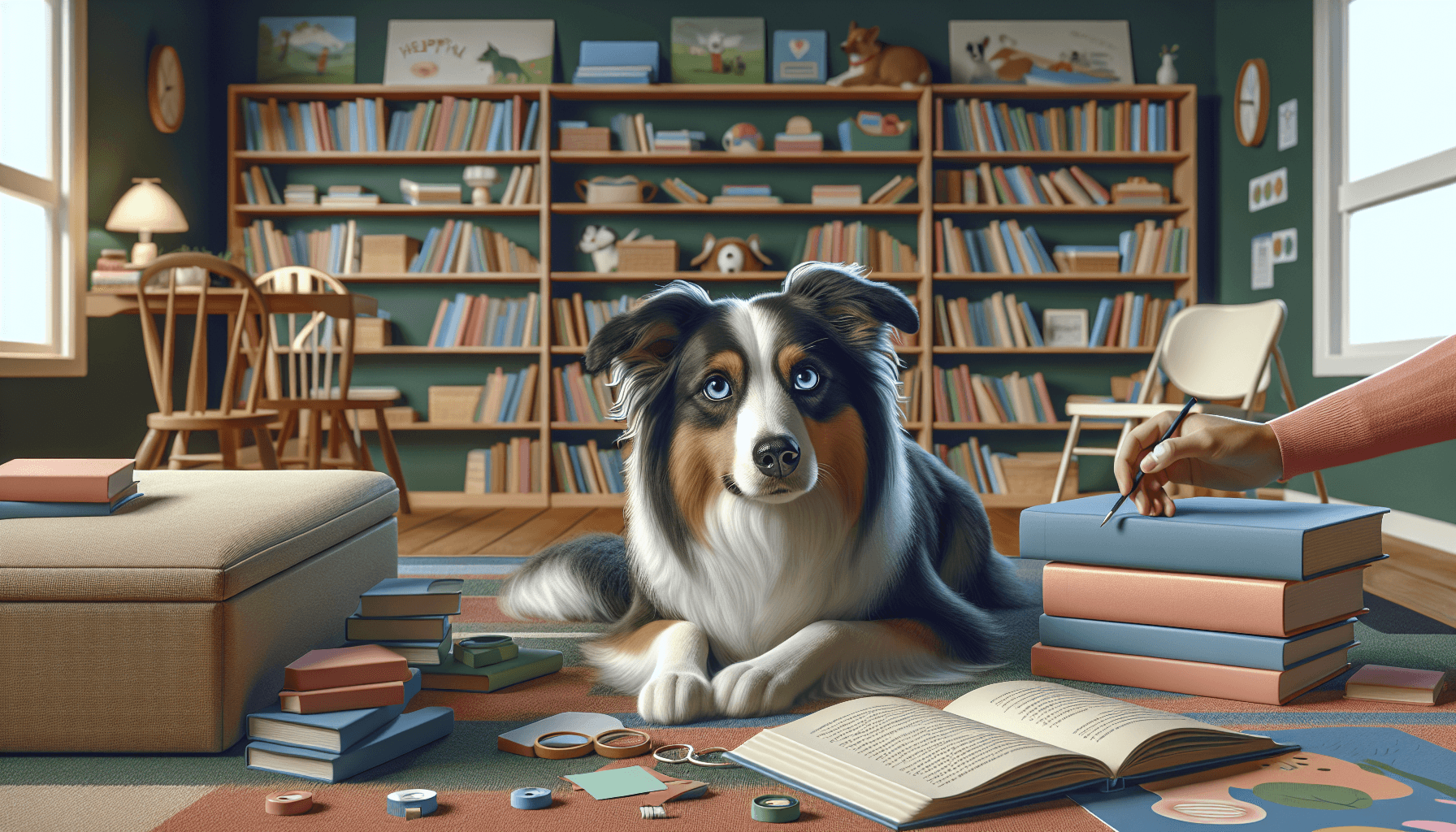
Luna, our Border Collie mix with heterochromatic eyes, works in a program that embodies all these characteristics. Children arrive excited to see her, leave wanting to come back, and—over time—develop into more confident, capable readers. Their parents credit Luna, but the reality is that Luna's effectiveness stems from program quality as much as her natural gifts.
The Beginning of a Journey
Finding the right therapy dog reading program is the beginning of a journey, not a destination. The program provides structure, support, and—of course—a wonderful dog. But the real work happens in your child's developing relationship with reading: the anxiety that dissolves, the confidence that grows, the joy that emerges.
Maya's mother finally located a therapy dog reading program forty-five minutes from their home. The drive seemed long, the time commitment seemed significant, the coordination with Maya's other activities seemed challenging. But six months later, she described the investment as the best decision she'd made for her daughter's education. Maya no longer cried before school. She read at home unprompted. She talked about books with excitement rather than dread.
"We found something that actually worked," her mother wrote in a thank-you note to the program. "After trying everything, we found something that actually worked."
That's what therapy dog reading programs offer: something that works for children who've struggled with everything else. Finding the right program takes effort, but for children who need what dogs uniquely provide, that effort is unquestionably worthwhile.
Start searching. Your community almost certainly has resources you haven't discovered yet—and your child is waiting to meet the dog who will help them love reading.

Paws & Pages Team
The Paws & Pages team is dedicated to building confident readers through the unconditional love of therapy dogs. Our team of educators, trainers, and volunteers share tips, stories, and resources to support literacy and the human-animal bond.
View all posts