Building a Home Reading Routine
The magic of therapy dog reading sessions doesn't have to end when children leave the library. Here's how to recreate the calm, supportive environment of dog-assisted reading in your own home.
# Building a Home Reading Routine
The email from nine-year-old Sophia's mother arrived on a Tuesday evening: "Something's wrong. Sophia used to hate reading—would literally hide under her bed to avoid it. But now she comes home from her sessions with Luna and actually asks to read more. She says reading at home doesn't feel the same, though. The magic doesn't work without the dog. Is there anything we can do?"
Sophia's mother had identified something profound: the power of therapy dog reading sessions lies not just in the dog's presence, but in everything surrounding it—the calm environment, the lack of pressure, the physical comfort, the ritual of it all. Children like Sophia intuitively recognize that home reading often feels different, and that difference frequently manifests as resistance or diminished engagement.
The good news is that much of what makes therapy dog sessions magical can be recreated at home. You don't need a certified therapy dog (though family pets can absolutely play a role). What you need is understanding of the elements that make our sessions work and commitment to recreating those elements consistently. This guide translates the principles behind successful therapy dog reading into practical home routines that families can implement immediately.
Understanding What Children Experience in Therapy Sessions
To recreate the therapy dog reading experience at home, parents first need to understand what children actually experience during sessions. The dogs are important, but they're part of a larger gestalt that creates optimal reading conditions.
**Physical comfort and safety** form the foundation. In our sessions, children choose where they sit—floor cushions, beanbag chairs, cozy corners. Biscuit, our founding Golden Retriever, often lies on a soft blanket where children can lean against her warm body. The physical environment says: "You are safe here. This is a place for relaxation, not performance." Charlie, our Beagle, works in a particularly cozy library corner with soft lighting and comfortable seating specifically because that environment reduces the anxiety that makes reading difficult.
**Absence of pressure** distinguishes therapy sessions from most reading instruction. We never correct errors mid-sentence. We don't interrupt fluency with phonics lessons. We celebrate effort regardless of outcome. Tucker, our Australian Shepherd, doesn't care if a child reads "house" as "horse"—he just keeps listening with those patient heterochromatic eyes. This absence of judgment allows children's nervous systems to stay calm, keeping the thinking brain online instead of activating stress responses that interfere with reading.
**Ritual and predictability** create mental preparation. Our sessions follow consistent patterns: greeting the dog, settling in, choosing a book, reading, celebrating. Children know what to expect. This predictability reduces anxiety because the unknown can't trigger worry. Olive, our Basset Hound, has a specific settling routine—three circles on her blanket before lying down—that children have come to expect and find soothing in its regularity.
**Genuine engagement from an audience** provides the social motivation humans naturally seek. The dogs listen. They respond to voices with ear movements and tail wags. They create the experience of being heard without the vulnerability of being evaluated. Luna, our Border Collie mix, tilts her head at expressive reading in ways that make children feel genuinely attended to.
Creating Physical Spaces That Support Reading
The first step in building a home reading routine is creating a physical space that provides the comfort and safety children experience in therapy sessions. This doesn't require extensive renovation—it requires intentional attention to a few key elements.
**Designate a specific reading spot.** Just as our dogs have their mats and our sessions happen in consistent locations, home reading benefits from a dedicated space. This might be a corner of a bedroom, a spot on the living room couch, a reading tent, or a window seat. The specific location matters less than its consistency—children should know exactly where reading happens.
Finn's handler, Sarah, helped one family transform a closet into a "reading nook" by removing the door, adding cushions, stringing fairy lights, and creating a sign that read "Marcus's Reading Cave." The physical transformation signaled to Marcus that reading was special enough to deserve its own space. His mother reported that he started voluntarily going to his reading cave even when not prompted.
**Optimize for physical comfort.** Our therapy dogs provide warmth and softness that children find calming. At home, replicate this with comfortable seating—floor cushions, beanbag chairs, soft blankets, or whatever your child finds cozy. Avoid hard chairs at desks, which signal "school work" and can trigger associated anxieties.
**Manage lighting carefully.** Harsh overhead lighting increases arousal and can make reading feel like an institutional activity. Soft, warm lighting creates atmosphere more conducive to the calm we seek. Adjustable reading lamps allow adequate light for text while maintaining cozy ambiance. Rosie, our Cocker Spaniel, works in spaces with deliberately warm lighting, and her handler advises families to pay attention to how lighting affects their children's mood during reading.
**Minimize distractions.** Our therapy sessions occur in spaces where we can control interruptions. Home reading spaces should similarly minimize distractions—away from televisions, in low-traffic areas, with notifications and devices silenced. The goal is creating an environment where reading receives full attention rather than competing with screens and household activity.
**Consider sensory elements.** Some children benefit from additional sensory support—weighted blankets, fidget toys they can manipulate while listening, textured surfaces to touch. Koda, our Bernese Mountain Dog, provides deep pressure comfort that some children specifically seek. At home, weighted lap pads or heavy blankets can provide similar calming input.
Establishing Routine Without Rigidity
Therapy dog sessions work partly because children know what to expect—but that predictability isn't rigidity. Sessions follow patterns while remaining responsive to children's needs on any given day. Home reading routines should achieve the same balance.
**Anchor reading to existing activities.** Rather than scheduling reading by clock time, which can create pressure and resistance, connect reading to activities that already happen reliably. "After dinner" or "before bed" or "when we get home from school" creates natural triggers without rigid scheduling. Captain, our yellow Labrador, works with children after school specifically because that transition moment can be anchored for home practice.
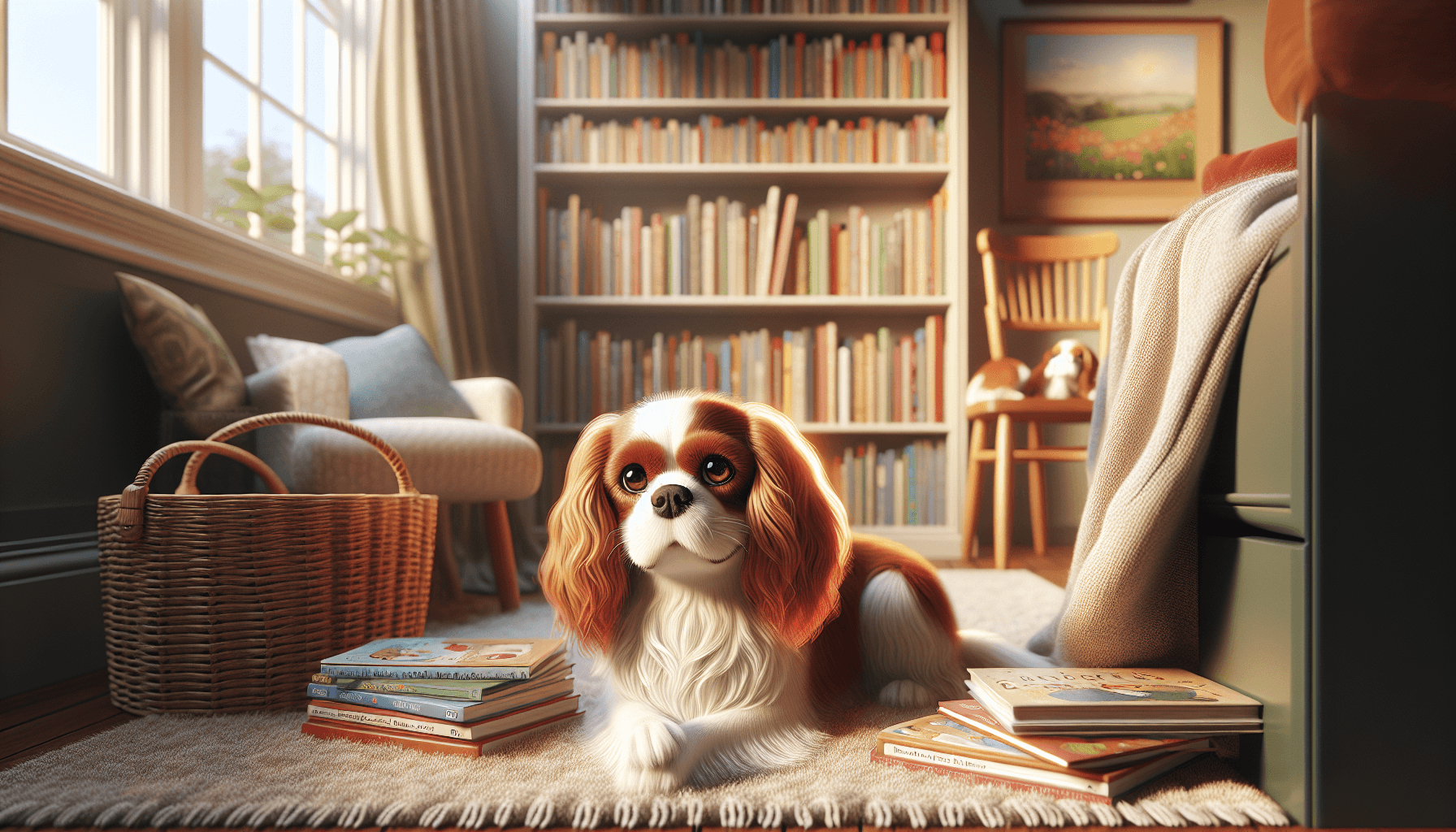
**Create consistent opening rituals.** Our sessions always begin with greeting the dog, creating mental transition into reading mode. At home, develop your own opening ritual: arranging the reading space together, choosing books, taking three deep breaths, or any consistent sequence that signals "now we're entering reading time." Bella, our tiny Cavalier King Charles Spaniel, always receives ear scratches before sessions begin—a ritual her regular readers have adopted for home reading, even without her present.
**Keep duration manageable.** Session length should match your child's capacity, not arbitrary goals. Our therapy sessions typically run 15-20 minutes, shorter for younger or more anxious children. At home, start with what feels easy and sustainable—even five minutes of positive reading is better than thirty minutes of struggle. Success at current duration builds capacity for longer sessions over time.
**Build in flexibility.** Some days children arrive at our sessions tired, stressed, or simply not in reading mode. Handlers adjust—maybe we do more dog petting and less reading, or choose easier books, or have shorter sessions. Home routines need similar flexibility. If your child is having a hard day, adjust expectations rather than forcing compliance that will create negative associations.
**End positively.** Every therapy session ends with acknowledgment of effort and connection with the dog. Home reading should similarly end with celebration of participation rather than critique of performance. "Thank you for reading with me tonight" communicates that the shared experience matters, regardless of how perfectly the reading went.
The Role of Family Pets
Many families ask whether their own dogs (or cats, or other pets) can serve the therapy dog role. The answer is nuanced: family pets can absolutely contribute to home reading success, but their contribution differs from trained therapy animals.
**Presence without demands** is the key quality therapy dogs offer. They sit calmly during reading, providing company without requiring active attention. Family pets can offer this if they're naturally calm and comfortable settling near reading activities. If your dog wants to play, lick faces, or demand attention, their presence may actually interfere with reading focus.
**Structured "reading to pet" time** works for many families. Designating specific times when children read aloud to family animals recreates the audience dynamic of therapy sessions. Daisy, our Samoyed, has a regular reader whose family Samoyed serves as home practice partner. The child reads to both dogs—Daisy during sessions, the family dog at home—and reports that both experiences feel similarly calming.
**Even fish can work.** The point isn't the specific animal—it's having a non-judgmental audience. Goldfish, hamsters, stuffed animals, or even imaginary creatures can serve the role of listener who won't correct mistakes. What matters is the child's sense of reading to someone, not being tested by them.
**Manage expectations.** Family pets aren't therapy trained. They may not behave consistently or appropriately for reading sessions. That's okay—they contribute what they can, and other elements of the routine compensate for what they can't provide.
Eliminating Pressure Without Eliminating Expectations
The most challenging aspect of home reading for many parents is replicating the pressure-free environment of therapy sessions. Parents naturally want to help children improve, which often manifests as corrections, prompts, and teaching that—however well-intentioned—can create exactly the stress we're trying to avoid.
**Embrace errors without correction.** When children read to our therapy dogs, errors don't get corrected. If a child reads "horse" as "house," we let it go. The child often self-corrects when meaning breaks down; when they don't, the uncorrected error is less damaging than the interrupted fluency and increased anxiety that correction creates. At home, resist the urge to correct every mistake. Your patience is more important than perfect accuracy.
Max, our German Shepherd, works with older children who've developed significant reading anxiety from years of correction. His handler, Jennifer, explicitly coaches parents: "Pretend you're Max. Max doesn't know if the word was right or wrong. Max just hears a story." This mindset shift—from teacher to appreciative audience—transforms home reading experiences.
**Separate reading time from teaching time.** If your child needs phonics instruction, comprehension work, or skill building, do that at different times with different framing. The home reading routine should be for practice and pleasure, not instruction. When teaching and practice merge, practice absorbs the anxiety often associated with teaching.
**Model genuine interest rather than testing.** Instead of asking comprehension questions that feel like quizzes, show genuine interest in the story. "What do you think will happen next?" asked with curiosity differs from the same question asked with evaluation intent. Children sense the difference. Apollo, our Great Dane, can't ask questions at all—and his readers develop comprehension just fine through natural engagement with stories.
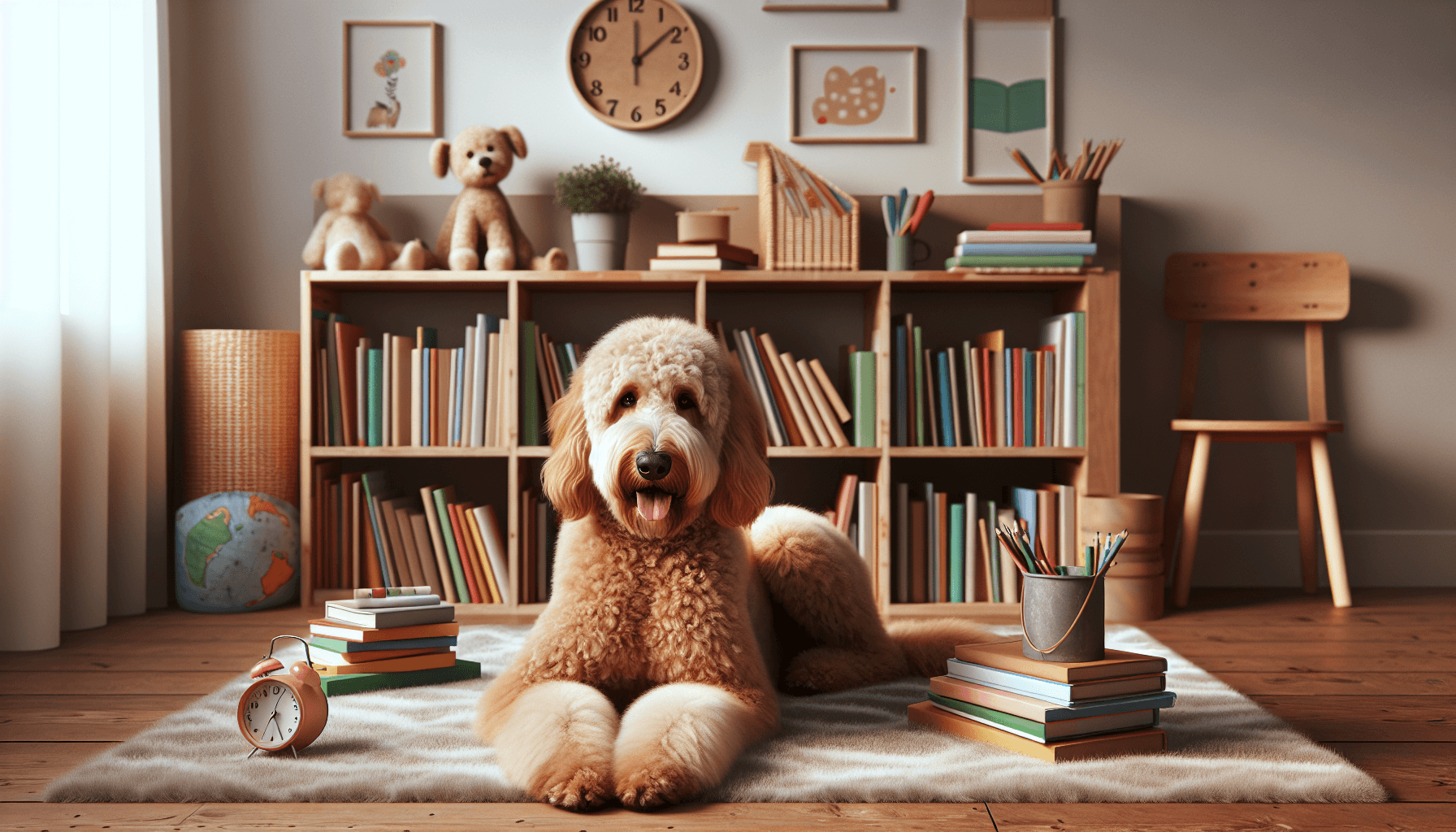
**Celebrate effort, not outcome.** "You read for fifteen whole minutes!" beats "You got so many words right!" Effort acknowledgment encourages continued effort; accuracy acknowledgment can create anxiety about future accuracy. Honey, our Goldendoodle, celebrates every session with tail wags and gentle nuzzles—responses to the child's presence and effort, not their performance.
Managing Your Own Anxiety About Reading
Parents of struggling readers often carry their own anxiety about their children's reading development. This anxiety, however hidden you think it is, communicates to children and can undermine reading routines.
**Examine your own feelings.** How do you feel when your child struggles with words? When they resist reading? When you worry they're falling behind peers? Your emotional state affects the reading environment more than you might realize. Children sense parental tension even when it's not expressed verbally.
**Practice your own calm.** Handlers undergo training specifically about remaining calm during sessions, because handler anxiety transmits to dogs and children alike. Before home reading time, take a moment to genuinely regulate your own nervous system. A few deep breaths, conscious muscle relaxation, or whatever works for you. Your calm becomes your child's calm.
**Reframe your role.** You're not responsible for making your child a better reader during these home sessions. You're responsible for creating positive reading experiences that build your child's reading relationship. Skill development follows from positive relationships with reading; forced skill building often damages those relationships.
Lucy's handler, Amanda, regularly reminds parents: "Your job is to be the dog. Just be present, be warm, be interested, and let the reading happen." This reframing helps parents release the teaching role that can undermine the routine's purpose.
**Address comparison anxiety.** If you're worried because your child reads below grade level, or differently than siblings, or slower than classmates, that worry shapes your interactions whether you express it or not. Therapy dogs don't compare—they just appreciate whoever's reading to them. Channel that unconditional appreciation in your home routine.
Building Consistency Over Perfection
Home reading routines fail most often not from lack of knowledge but from unsustainable expectations. Parents create elaborate routines, maintain them perfectly for a week, then collapse under daily life pressures. Sustainable routines prioritize consistency over perfection.
**Start smaller than you think necessary.** If you think ten minutes is reasonable, start with five. It's easier to extend a successful short routine than to salvage a failed longer one. Our therapy dogs work in short sessions specifically because shorter positive experiences beat longer difficult ones.
**Expect imperfect implementation.** Some nights you'll skip the routine. Some nights it will feel forced. Some nights your child will resist despite your best efforts. This is normal. One missed day doesn't ruin a routine; perfectionism about implementation creates pressure that does.
**Track progress gently.** Simple notes—"Read for 8 minutes, seemed to enjoy it" or "Short session tonight, tired from soccer"—help you see patterns without creating elaborate systems that become burdens. Ginger, our Shiba Inu, has the simplest session notes of any of our dogs—just a few words capturing the essence of each session. Simplicity enables sustainability.
**Adjust continuously.** What works this month may not work next month. Children's needs change, schedules shift, and reading development alters what's appropriate. Stay responsive rather than rigid. The best routine is one that evolves with your child.
**Celebrate your own effort.** Building a home reading routine takes commitment. Acknowledge yourself for showing up, for trying, for learning alongside your child. Your sustained effort matters more than any single session's success.
When Home Practice Connects to Therapy Sessions
For children who participate in therapy dog reading programs, home routines can powerfully reinforce session benefits. Strategic connection between home and therapy settings amplifies progress.
**Use transition objects.** Some handlers provide small items—photos of therapy dogs, bookmarks with paw prints, or simple tokens—that children can bring to home reading. These objects connect home practice to the positive associations of therapy sessions. "Pretend Biscuit is listening" becomes easier with Biscuit's photo nearby.
**Read familiar books.** Books that children have read successfully during therapy sessions carry positive associations home. Starting home routines with these successful books builds confidence before adding new material.
**Mirror session elements.** If your child's handler uses specific breathing exercises, opening rituals, or positioning, incorporate those same elements at home. The familiarity bridges settings and extends the calm of therapy sessions into home practice.
**Communicate with handlers.** Let your child's handler know what's working and struggling at home. Handlers can adjust session content to support home practice—perhaps focusing on books the child will continue reading at home, or teaching strategies specifically for family implementation.
Pepper, our rescued Dalmatian, works with children whose families receive specific "homework" from his handler—not reading assignments, but routine elements to try at home. This coordination between session and home practice accelerates progress significantly.
The Long-Term Vision
Home reading routines serve immediate goals—maintaining therapy session gains, building reading habits, creating positive associations—but they also contribute to something larger: raising children who read independently and joyfully for life.
The children who read to our therapy dogs don't stay in our program forever. They age out, move on, graduate to independent reading that no longer requires dog support. The goal was never permanent dependence on therapy animals—it was building the internal resources that make independent reading possible.
Home routines contribute to this transition. Children who experience reading as a calm, enjoyable activity at home develop internal associations that persist long after routines end. The parent who sits nearby (like the dog who sits nearby) eventually becomes unnecessary—not because the child stopped needing support, but because they internalized the support and can now provide it themselves.
Sophia, whose mother wrote that worried email, is now twelve. She hasn't read with Luna in two years. But every night, she reads in the "reading nook" her parents created, surrounded by soft lighting and comfortable pillows, in a space that still feels magical even without the dog who taught her that reading could feel safe.
That's the real goal of home reading routines: creating the conditions for children to discover that reading belongs to them—not to teachers, not to tests, not even to therapy dogs—but to them, forever, wherever they are.

Paws & Pages Team
The Paws & Pages team is dedicated to building confident readers through the unconditional love of therapy dogs. Our team of educators, trainers, and volunteers share tips, stories, and resources to support literacy and the human-animal bond.
View all posts