Creating Inclusive Reading Sessions
Every child deserves access to the magic of reading with therapy dogs. Here's how Paws & Pages designs sessions that welcome learners of all abilities, backgrounds, and needs.
# Creating Inclusive Reading Sessions
When twelve-year-old Jordan wheeled into the library for her first therapy dog session, she found the reading corner inaccessible—floor cushions and low beanbag chairs that would have required transferring from her wheelchair. The handler, unprepared, awkwardly suggested Jordan could "probably stay in her chair." The session proceeded, but something essential had been lost before it began: the message that Jordan belonged, that this space was designed with children like her in mind.
That experience, early in our program's history, catalyzed a fundamental rethinking of how we approach inclusion. We'd assumed that therapy dog reading programs were inherently welcoming—after all, dogs accept everyone. But welcoming intent isn't enough. True inclusion requires deliberate design: physical spaces that accommodate diverse bodies, session structures that flex for different learning needs, materials that represent varied experiences, and handlers trained to support children across the full spectrum of ability and identity.
Today, inclusion is woven into every aspect of Paws & Pages operations. From facility assessment protocols to handler training curricula, from book collection development to session planning frameworks, we design for diversity from the start rather than retrofitting accommodations after the fact. This guide shares what we've learned about creating therapy dog reading sessions that genuinely welcome every child.
Physical Accessibility: Designing Spaces for All Bodies
Inclusive sessions begin with physical spaces that accommodate children with mobility differences, sensory sensitivities, and varied physical needs.
**Seating diversity** matters more than most programs realize. We now offer multiple seating options at every session location: floor cushions for children who prefer that level, child-sized chairs at tables, beanbag chairs with good support, and clear floor space where wheelchairs and mobility devices can position alongside therapy dogs. Children choose their seating based on preference and need, and no option is marked as different or special.
Apollo, our Great Dane, actually facilitates floor-to-chair flexibility uniquely well. His height means he can comfortably interact with children whether they're on the floor or in chairs—his head reaches both levels naturally. Children in wheelchairs don't have to look down at Apollo; they meet him at eye level. This wasn't why we recruited a Great Dane for the program, but it's become one of Apollo's particular strengths.
**Navigable layouts** ensure children with mobility aids can move through spaces independently. We assess every session location for wheelchair accessibility, checking door widths, floor surfaces, turning radius requirements, and obstacle-free paths. When permanent changes aren't possible, we rearrange furniture and remove barriers before each session.
**Sensory considerations** affect children with autism, sensory processing differences, and other conditions that make standard environments overwhelming. We audit session spaces for fluorescent lighting (which can be agitating), ambient noise levels, visual clutter, and strong smells. Where possible, we adjust environments; where not, we prepare children and families for what they'll encounter.
Ginger, our Shiba Inu, works primarily in a library corner specifically chosen for sensory calm: natural lighting from nearby windows, distance from high-traffic areas, minimal visual distraction. Children who struggle in busier parts of the library thrive in Ginger's quiet corner.
**Service dog coordination** requires attention when children arrive with their own service animals. We establish protocols for when program therapy dogs and personal service dogs will share space, ensuring neither animal's work is compromised. Generally, we position them with adequate distance and support both child-service dog and child-therapy dog interactions without forcing integration that might stress either animal.
Cognitive and Learning Accessibility
Children come to therapy dog sessions with diverse cognitive profiles: different learning styles, processing speeds, attention patterns, and intellectual capabilities. Inclusive sessions flex to support this cognitive diversity.
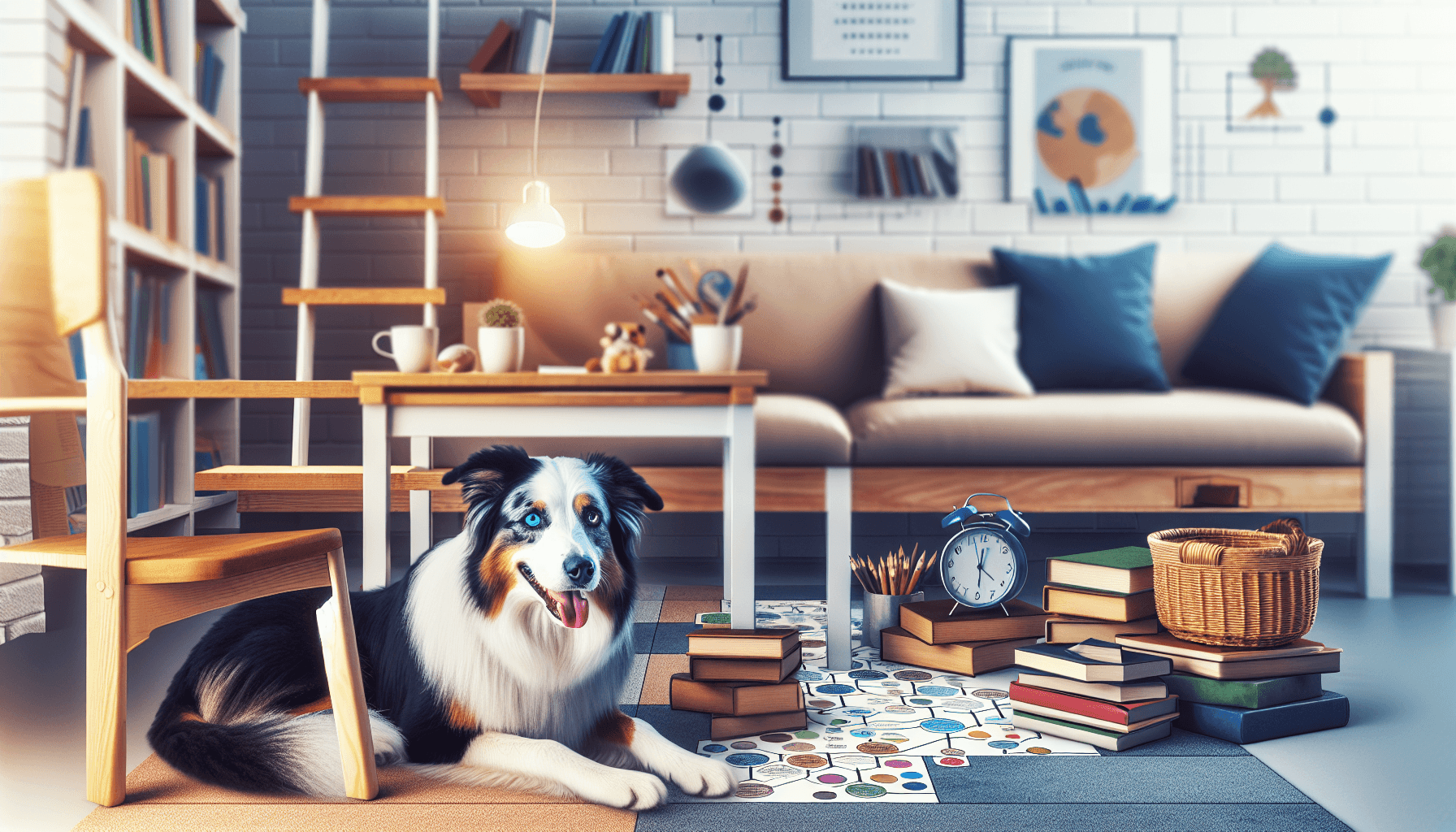
**Flexible session structures** accommodate children who need shorter or longer sessions, more or fewer breaks, varied activity pacing, or different transition supports. Rather than one-size-fits-all session formats, handlers adjust timing and structure based on individual needs. Tucker, our Australian Shepherd, works with one child who needs frequent movement breaks; his sessions include short walks with Tucker between reading segments. Another child reads for forty-five minutes straight without pausing; Tucker's patient attention sustains through the entire duration.
**Multi-modal learning support** provides options beyond print text. We offer audiobooks that children can listen to while following along in physical books, building print-audio connections. We provide graphic novels and heavily illustrated texts that support visual learners. We use tactile elements—textured covers, book weights, fidgets—that help kinesthetic learners engage. Charlie, our Beagle, particularly enjoys graphic novel sessions; his handler describes him as "a visual reader himself" since he seems to respond to the pictures.
**Processing time flexibility** ensures children who need more time to decode, comprehend, or respond don't feel rushed. Handlers are trained to wait, to sit in comfortable silence while children process, to resist the urge to fill pauses with prompting or correction. Captain's famously patient demeanor models this flexibility—he never seems rushed, never seems impatient, creating space for children to work at their own pace.
**Alternative communication support** welcomes children who communicate differently. We train handlers in basic AAC (Augmentative and Alternative Communication) awareness, so they can support children who use communication boards, speech-generating devices, or sign language. Reading "to" the dog might mean pointing at pictures, typing responses, or signing reactions—all valid forms of reading engagement.
Max, our German Shepherd, works with a nonverbal teenager who uses a tablet-based communication system. Their sessions involve the teen typing observations and predictions about stories while Max listens. The handler has learned to treat typed communication with the same responsiveness as spoken words—making eye contact, responding thoughtfully, never conveying that this communication mode is lesser or slower.
Cultural and Linguistic Inclusion
Children bring diverse cultural backgrounds, home languages, and family structures to therapy dog sessions. Inclusive programming honors and reflects this diversity.
**Multilingual materials** support children whose home language isn't English. We maintain collections in Spanish, Mandarin, Vietnamese, and other languages common in our community. Bilingual books allow children to read in their home language while building English connections. Handlers don't need to speak these languages—the child is reading to the dog, after all—but they need to welcome non-English reading as fully valid.
Daisy, our Samoyed, listens to a lot of Spanish reading. Her handler speaks enough Spanish to recognize when children are reading fluently versus struggling, but the primary "listener" is Daisy, who responds to tone and engagement regardless of language. Several children who are shy about their English skills have found confidence reading to Daisy in Spanish first, then gradually incorporating English as their comfort grows.
**Culturally diverse book collections** ensure children see themselves reflected in the stories they read. We deliberately curate collections that include diverse characters, family structures, settings, and cultural contexts. We avoid tokenism—diverse books shouldn't only be "about" being diverse; they should be adventure stories, mysteries, fantasies, and comedies that happen to feature diverse characters living full lives.
**Family structure sensitivity** recognizes that children come from various family configurations: single parents, same-sex parents, grandparent caregivers, foster families, and more. Handlers avoid assumptions about family structure in conversations and ensure no child feels their family is abnormal or inferior. When books reference families, we include stories representing diverse structures.
**Religious and cultural awareness** prevents unintentional exclusion. We train handlers to avoid assumptions about holidays children celebrate, foods they eat, activities they participate in, or beliefs they hold. Our book collections include stories from various cultural and religious traditions, presented respectfully and accurately.
Supporting Children with Trauma Histories
Many children who benefit most from therapy dog reading carry trauma histories—experiences of abuse, neglect, violence, loss, or other adverse events that shape how they engage with the world. Inclusive sessions recognize trauma's impact and respond with informed care.
**Trauma-informed approaches** inform every aspect of our handler training. Handlers learn to recognize trauma responses (withdrawal, hypervigilance, aggression, dissociation), understand their origins, and respond in ways that promote safety rather than inadvertently retriggering distress. The core principles—safety, choice, collaboration, trustworthiness, and empowerment—guide all interactions.
Pepper, our Dalmatian with his own traumatic early history, seems to recognize children who carry similar wounds. His handler has learned to trust Pepper's instincts about pacing and distance—when Pepper approaches slowly and waits rather than moving in for immediate contact, she follows his lead. Children with trauma often need this gradual approach that respects their need to assess safety before engaging.
**Choice and control** are particularly important for trauma survivors, who have often had choice taken from them. Handlers offer options rather than directives: "Would you like to sit next to Olive or across from her?" "Should we start reading or spend more time getting to know each other first?" "Do you want to pet her, or would you rather just read?" Every choice, however small, returns agency to children who need to feel in control.
**Physical boundaries** require careful attention. We never require physical contact with dogs—some children want to pet, hug, and snuggle; others prefer to read from a distance. Both are valid. Handlers model appropriate consent and boundaries in their own interactions with dogs, demonstrating that it's always okay to say no to touch you don't want.
**Predictability and safety** help trauma survivors feel secure. We maintain consistent session structures, consistent handlers where possible, and consistent dogs. We communicate clearly about what will happen and when. We never surprise children or put them in unexpected situations. This predictability, which might seem boring to children without trauma histories, provides essential safety for those who need it.
**Referral awareness** ensures handlers know when children need support beyond what therapy dog sessions can provide. Severe trauma responses, disclosures of ongoing abuse, and mental health crises require professional intervention. We maintain relationships with mental health providers and know how to make appropriate referrals while maintaining the trust we've built with children and families.
Neurodivergent Inclusion
Children with autism, ADHD, sensory processing differences, and other neurodivergent profiles have specific needs that inclusive sessions must address.
**Sensory accommodations** for autistic children might include dimmer lighting, noise-reducing headphones available, weighted lap pads, sensory tools for fidgeting, and quiet spaces for overwhelm recovery. We communicate in advance about sensory aspects of session environments so families can prepare children appropriately.
Luna, our Border Collie mix, works with several autistic children who find her predictable behavior patterns comforting. She follows consistent routines—same greeting sequence, same positioning, same calm energy. This predictability, combined with her willingness to maintain appropriate distance when children prefer it, makes her particularly effective with kids who need sensory and social predictability.
**Communication differences** in autistic children might include literal interpretation of language, difficulty with indirect questions, need for additional processing time, and preference for written over verbal communication. Handlers learn to communicate clearly and directly, avoid sarcasm or idiom that might confuse, and provide multiple modes for children to respond.
**ADHD accommodations** often involve movement breaks, shorter session segments, high-engagement materials, and environment management that reduces distractions. Finn, our energetic Irish Setter, actually works well with high-energy ADHD kids—they can take movement breaks together, matching the child's need for activity with Finn's natural enthusiasm.
**Special interests** in neurodivergent children can be leveraged rather than suppressed. If a child's special interest is trains, finding train books to read to the therapy dog harnesses that intense focus productively. Handlers learn to incorporate special interests rather than trying to redirect children toward "more appropriate" topics.
**Social skills flexibility** recognizes that neurodivergent children may interact differently than neurotypical peers. Eye contact might be uncomfortable; small talk might be bewildering; transitions might be difficult. Handlers adjust expectations and celebrate the authentic interactions that neurodivergent children offer rather than trying to shape them into neurotypical patterns.
Economic Inclusion
Financial barriers shouldn't prevent any child from accessing therapy dog reading support. Our program addresses economic inclusion through multiple approaches.
**Free programming** is our baseline—families never pay for therapy dog reading sessions. We fund operations through grants, donations, and partnerships rather than user fees. This ensures that family income never determines access.
**Material provision** addresses needs beyond session fees. We provide books for children to keep, ensuring that home libraries don't depend on family purchasing power. We supply any special materials that sessions require. We never expect families to buy supplies or pay for extras.
**Transportation support** helps families who struggle to reach session locations. We offer sessions in multiple community locations, reducing travel requirements. For families without reliable transportation, we coordinate carpools, provide transit passes, or arrange for sessions at neighborhood sites.
**Schedule flexibility** accommodates families where parents work multiple jobs or unpredictable schedules. We offer sessions at various times and days, include weekend options, and work with families to find times that work with their constraints.
Lucy, our Corgi, works at a community center in a low-income neighborhood specifically because many families there can't easily travel to library locations. By bringing sessions to where families already are, we remove barriers that would otherwise exclude them.
Handler Training for Inclusive Practice
Inclusive sessions require trained handlers who understand diverse needs and can respond appropriately. Our handler training addresses inclusion explicitly.
**Awareness training** helps handlers understand the experiences and needs of children from various marginalized groups. We cover disability awareness, cultural competency, trauma-informed care, and LGBTQ+ inclusion. This training isn't about memorizing rules; it's about developing genuine understanding that informs intuitive response.
**Practical skills** translate awareness into action. Handlers practice specific scenarios: How do you position a therapy dog for a child in a wheelchair? How do you respond when a child has a meltdown? How do you communicate with a child using AAC? How do you handle questions about why another child is "different"? Role-playing builds confidence for real-world situations.
**Ongoing learning** recognizes that inclusion is a journey, not a destination. Handlers participate in continuing education, receive feedback on their inclusive practices, and have opportunities to learn from children and families with various experiences. We create spaces where handlers can ask questions, acknowledge mistakes, and grow without judgment.
**Lived experience perspectives** inform our training. We invite people with disabilities, parents of neurodivergent children, and community members from diverse backgrounds to contribute to handler education. Their perspectives prevent training from becoming abstract or theoretical—real stories ground inclusive practice in human experience.
**Self-reflection practices** help handlers examine their own biases and assumptions. Everyone carries unconscious biases; acknowledging and addressing them is essential for inclusive practice. Handlers engage in regular reflection about their interactions, identifying moments where bias might have influenced their responses and considering how to do better.
Creating Inclusive Library Collections
The books available in therapy dog sessions communicate messages about who belongs and whose stories matter. Inclusive collections are deliberately curated.
**Representation audits** examine our collections for diversity across multiple dimensions: race, ethnicity, disability, family structure, gender expression, socioeconomic status, and more. We identify gaps and work to fill them with high-quality books that represent underrepresented groups authentically.
**Own voices prioritization** emphasizes books written by authors from the communities they portray. Stories about disabled children written by disabled authors, stories about immigrant families written by immigrants, stories about kids with anxiety written by people who've experienced it—these books offer authenticity that outside perspectives often miss.
**Avoiding stereotypes** requires critical evaluation of how diverse characters are portrayed. We reject books that present marginalized characters as inspiration objects, tragic figures, or one-dimensional representatives of their groups. We seek books where diverse characters have full lives, complex personalities, and stories beyond their marginalized identities.
**Series and depth** ensure that diverse representation isn't limited to single "diversity books." We maintain series featuring diverse protagonists, so children can read multiple adventures with characters who share their identities. This normalizes diversity rather than treating it as a special topic.
**Format diversity** recognizes that different children need different formats: audiobooks, large print, high contrast, simplified text, braille, and more. We expand format availability continually, ensuring that reading level and physical accessibility don't limit access to diverse content.
The Ongoing Work of Inclusion
Jordan, whose inaccessible first session opened this guide, eventually found a home at Paws & Pages. When she returned, we'd transformed the space: seating at multiple heights, clear pathways for her wheelchair, books with disabled protagonists prominently displayed. She read with Koda, our Bernese Mountain Dog, whose size made him comfortable to interact with from her chair. She found books featuring wheelchair-using characters having adventures, solving mysteries, saving the day.
What she found, more than physical accessibility, was belonging. The space communicated that children like her had been expected, planned for, and welcomed. She wasn't an afterthought or an accommodation request—she was simply a child who loved dogs and wanted to read, exactly like everyone else.
That's the real goal of inclusion: not just removing barriers, but communicating belonging. Every child who enters a therapy dog reading session should feel that the space was designed with them in mind, that their needs were anticipated rather than awkwardly addressed, that they belong exactly as they are.
Biscuit, our founding Golden Retriever, models unconditional acceptance in every interaction. She doesn't assess children's abilities before deciding whether to welcome them. She doesn't hesitate with children who look or communicate differently. She simply offers her patient, attentive presence to whoever sits beside her.
Our job, as handlers and program designers, is to create human systems that match our dogs' natural inclusion. The dogs already accept everyone—we need to ensure our spaces, structures, and practices do the same.
Paws & Pages Team
The Paws & Pages team is dedicated to building confident readers through the unconditional love of therapy dogs. Our team of educators, trainers, and volunteers share tips, stories, and resources to support literacy and the human-animal bond.
View all posts